Last updated November 22, 2026
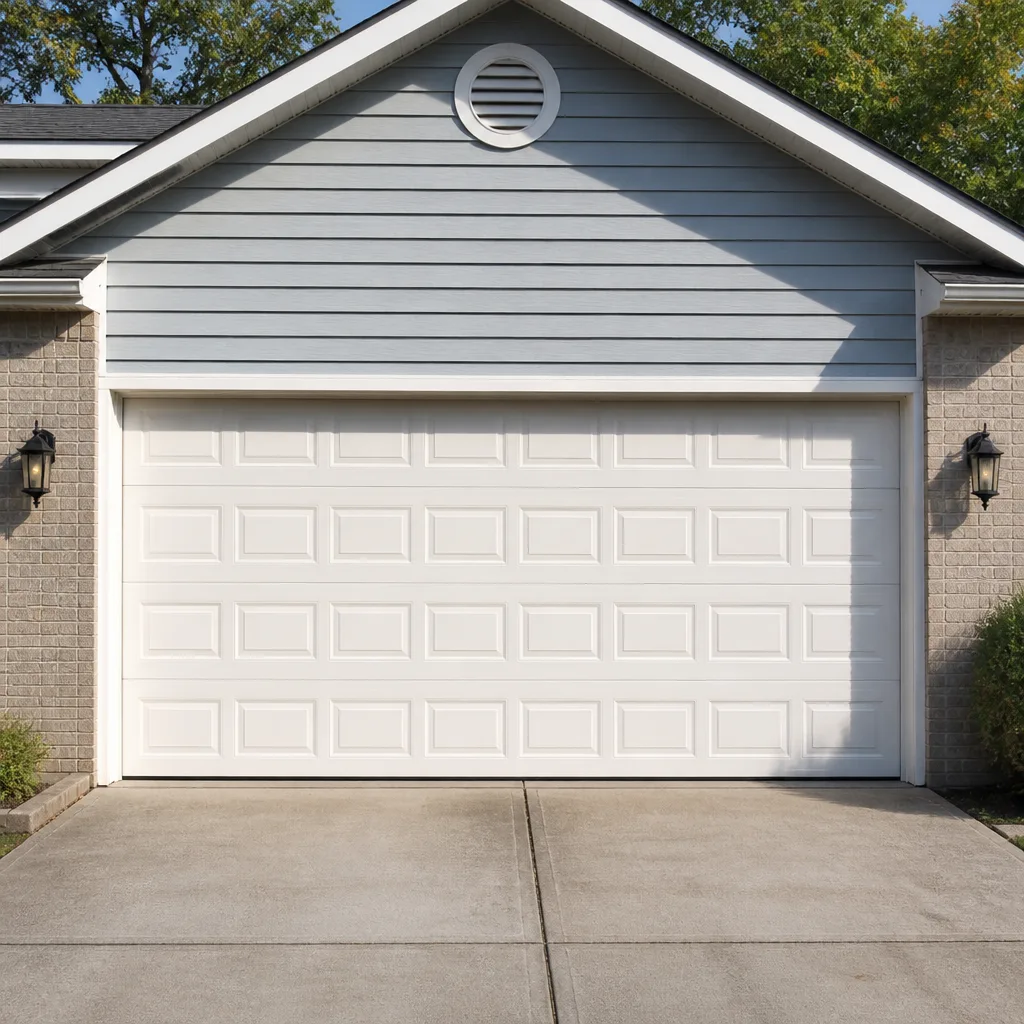 Raised-panel steel
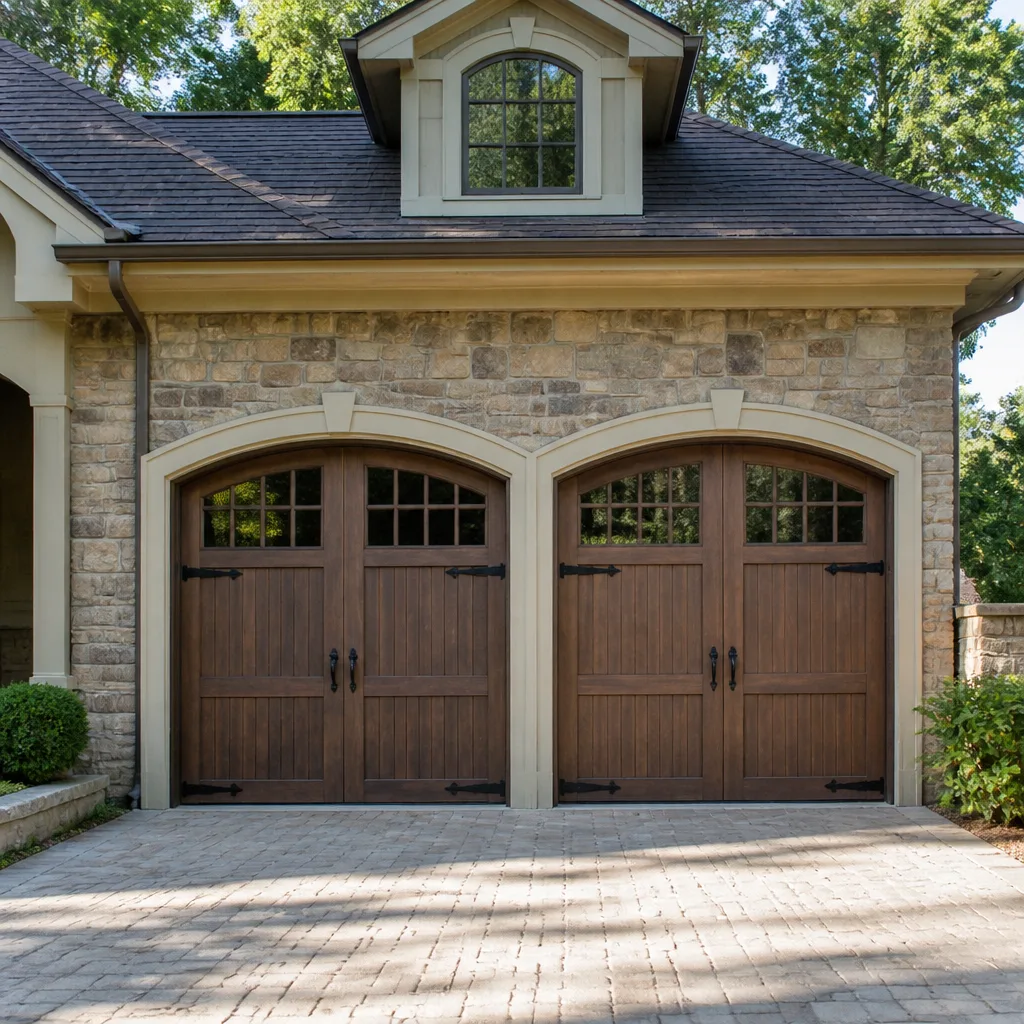 Carriage house
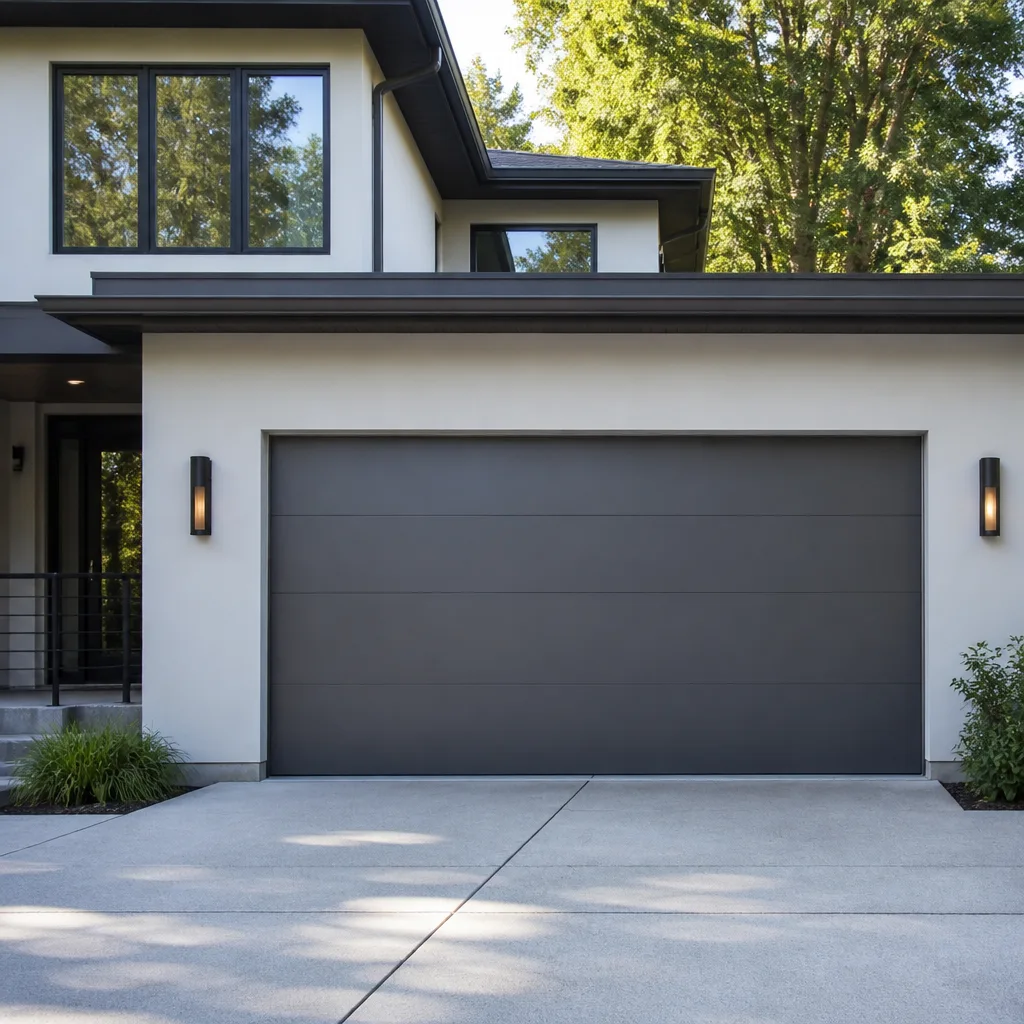 Modern flush
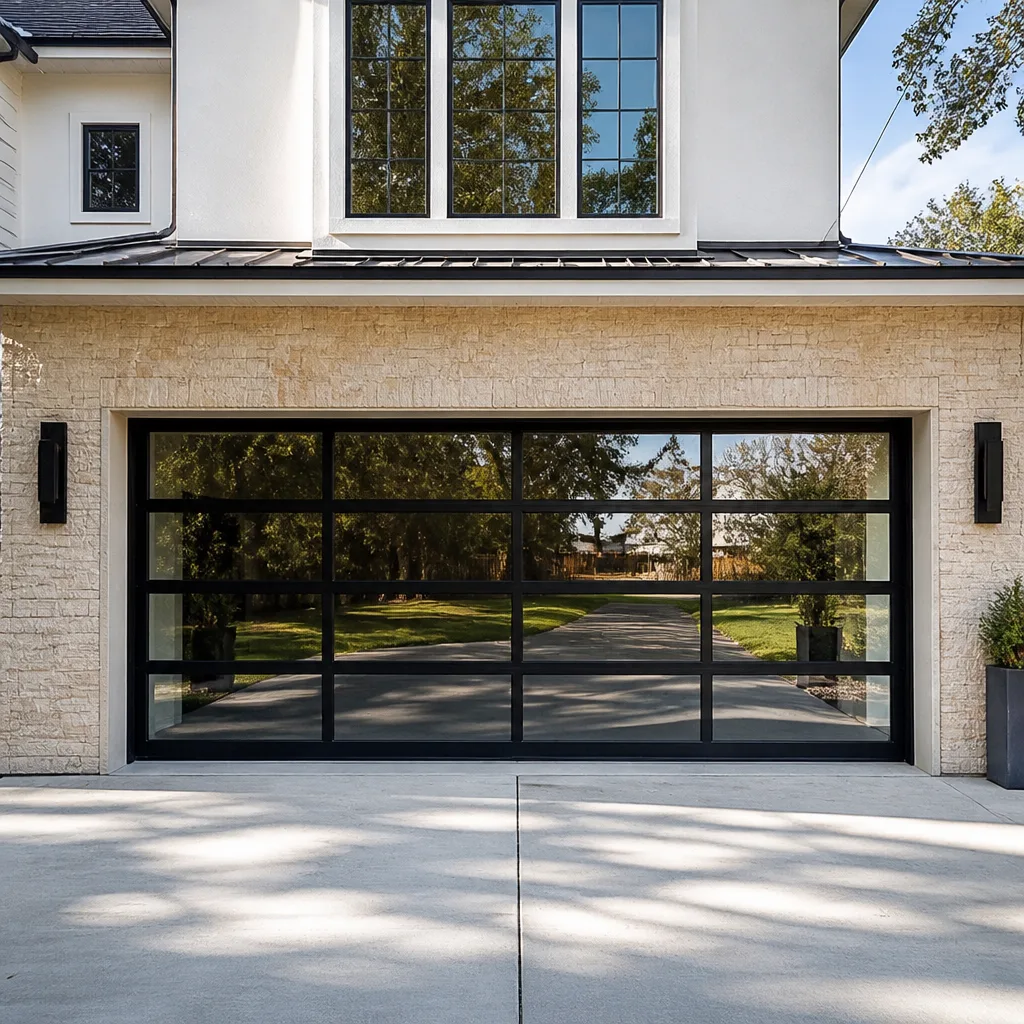 Full-view glass
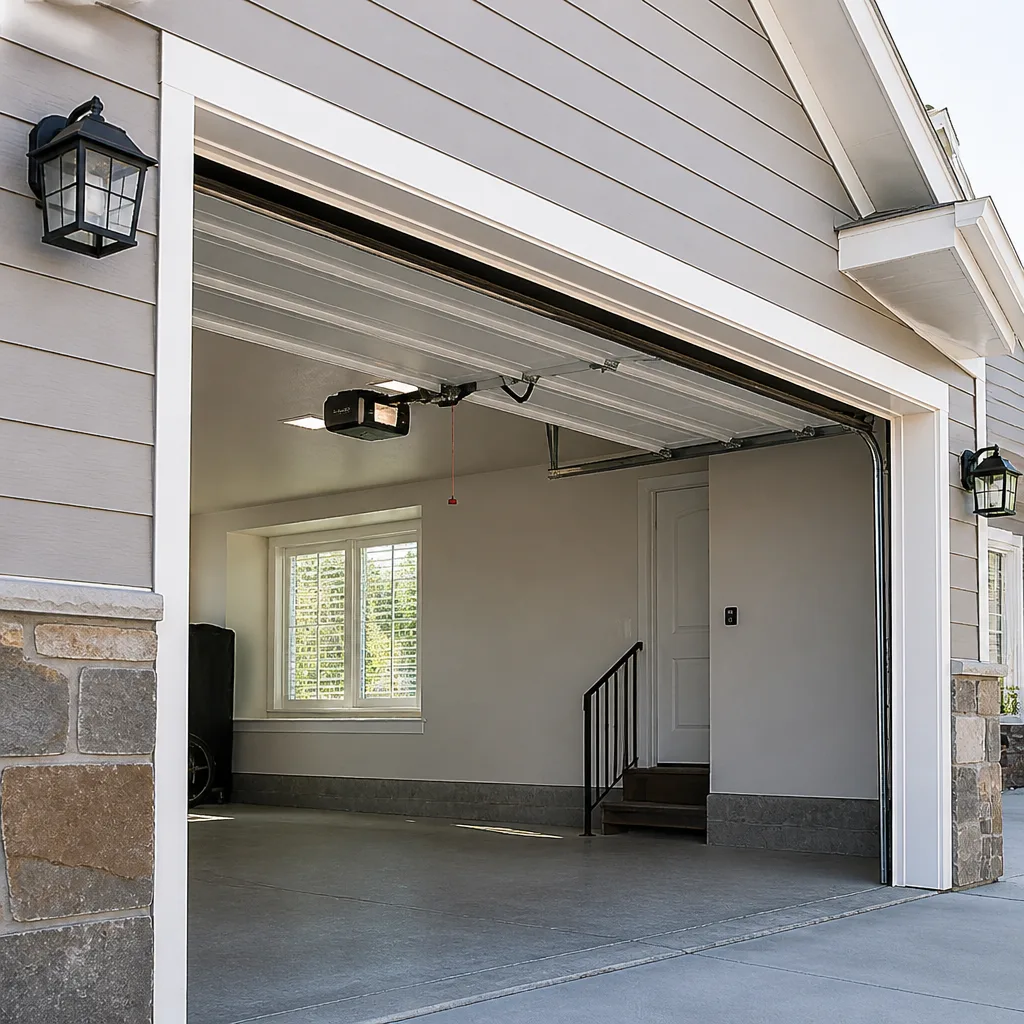 LiftMaster openers
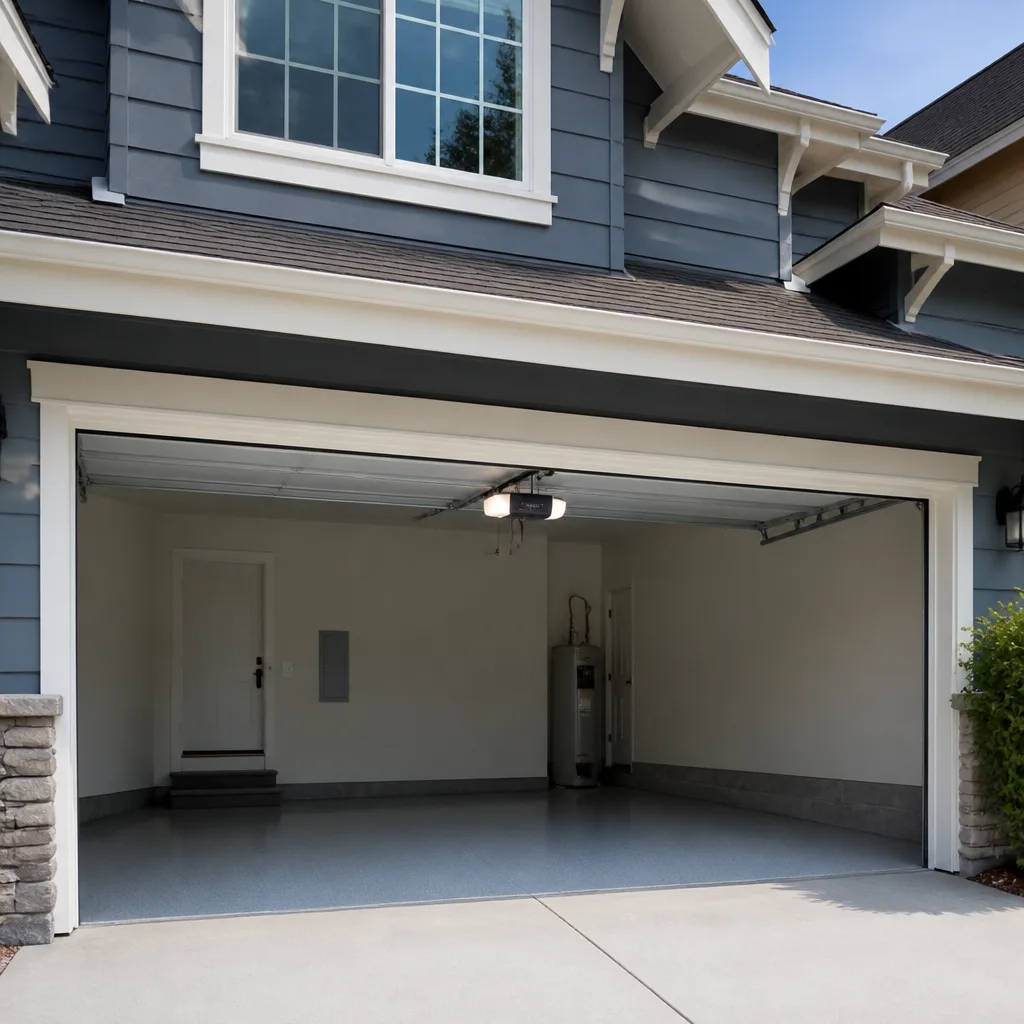 Chamberlain openers
Full 25-point door and opener safety check with every visit - springs, cables, rollers, tracks, and your LiftMaster or Chamberlain opener included
You get a price before we start. It does not change when the pro arrives.
Get your free estimateSeasonal Garage Door Care for Centreville: Year-Round Homeowner’s Guide
Most homeowners in Centreville treat garage door maintenance as one springtime chore: lube the tracks, tighten a bolt, call it done. That single-task mindset is exactly what causes February failures. By the time a torsion spring snaps on a cold morning, the damage was set in motion months earlier, through a fall and early winter nobody prepped for. Centreville’s climate doesn’t hand your door one season at a time, it hands it four separate stress profiles, each hitting different parts. This guide walks through all four, season by season, with the specific parts and checks that matter for each one.
Quick Answer
Seasonal garage door care in Centreville means matching your maintenance to what each season actually stresses: spring tension in winter, the bottom seal in freeze-thaw cycles, opener electronics in summer heat, and hardware condition in fall. A 20-minute walk-through every quarter catches most developing problems before they become service calls. The single highest-value habit is fall prep, because it’s what prevents the winter failures that dominate repair calls across Centreville.
Styles & brands we work with
- Raised-panel steel
- Carriage house
- Modern flush
- Full-view glass
- LiftMaster openers
- Chamberlain openers
Table of Contents
- Fall Prep: Preventing the Three Winter Failures
- Winter: Dealing With a Frozen Door Without Wrecking Your Opener
- Spring: The Right Time to Reset Spring Tension
- Summer: Heat, Opener Logic Boards, and Dark Doors
- The 20-Minute Quarterly Walk-Through
- Common Mistakes to Avoid
- When to Call a Professional
- Frequently Asked Questions
Fall Prep: Preventing the Three Winter Failures
Fall is the load-bearing season for your garage door in Centreville. Everything you do between late September and the first hard freeze determines whether your door coasts through winter or fails in it. Three failures account for most cold-weather breakdown calls we handle, and all three trace back to a few specific fall tasks done (or skipped) beforehand:
- Spring snaps. Torsion springs lose lifting force as temperatures drop and metal contracts. A spring already running near the end of its cycle life is far more likely to break on the first sub-freezing morning. Fall is when you cycle the door a few times and listen for the warning signs – uneven travel, a door that feels heavier than it should, or a visible gap in the coil. That’s the diagnostic, not the fix.
- Frozen bottom seals. Water collects under the bottom rubber seal, then freezes and bonds the seal to the slab. The opener then has to break that bond every morning. Before the first freeze, clear debris from the threshold, check the seal for cracks and hard spots, and confirm it’s making contact with the floor without dragging.
- Opener thermal lag. Cold grease thickens, and an opener motor that’s already marginal struggles to push a stiffer door. Fall is the time to check that the opener’s force settings match a properly balanced door, and to confirm the hardware isn’t binding, so the motor isn’t fighting the door in January.
None of these are dramatic tasks. The point is that they’re cheap and quick in October and expensive and inconvenient in February. Our garage door spring repair technicians see the difference constantly: doors that got fall attention fail clean, and doors that didn’t fail hard.
Winter: Dealing With a Frozen Door Without Wrecking Your Opener
The most avoidable repair we handle in Centreville is a burned-out opener motor caused by a homeowner repeatedly cycling a frozen door. When a door is stuck to its seal or the mechanism is stiff from cold, the opener keeps pulling full force against resistance it was never designed to overcome. Do that a handful of mornings and the motor or the gears inside it let go. The door was the symptom; the opener was the casualty.
If your door won’t open on a cold morning, here’s the safe sequence rather than the brute-force one:
- Stop pressing the remote. Each attempt runs the motor against the same resistance.
- Inspect the bottom seal for ice bonding it to the threshold, and check for debris or a frozen lock.
- If ice is the culprit, clear it and let the seal free up before opening. Never force a door that won’t budge.
- Manually disconnect the opener using the release cord, then try lifting the door by hand to see whether the resistance is mechanical or just the seal.
- Once freed, run the door a couple of times and watch and listen for anything out of the ordinary.
Cold also throws off opener travel limits on LiftMaster and Chamberlain units, which can make a door reverse before it closes or stop short of the floor. If the door needs adjusted travel limits after a cold snap, that’s a calibration job, not a guess-and-check one. When something genuinely breaks, our garage door opener repair team can diagnose it fast. And if the door fails late in the day or early in the morning, our emergency service is built for exactly those moments – a car trapped, a home left unsecured.
One warning that matters more than any tip on this page: torsion springs and cables are under extreme tension and can cause serious injury if handled without the right tools and training. If a spring has snapped or a cable has come loose, leave it alone and get a trained technician on it. This is not a homeowner repair.
Spring: The Right Time to Reset Spring Tension
Spring is when the cumulative wear from winter finally shows up. A door that grumbled through January and February often fails outright or starts behaving inconsistently once temperatures climb and the spring is asked to do more work. That’s not coincidence. It’s the wear from a whole season catching up at once. Post-winter is the smartest time to have your spring system evaluated.
What “resetting spring tension” actually involves depends on the door, but the evaluation follows a consistent logic:
- Check the door’s balance by disconnecting the opener and lifting the door by hand to roughly the halfway point. A well-balanced door stays there. A door that wants to fall or rise sharply is out of balance.
- Inspect the torsion spring or extension springs for gaps, stretch, or deformity that signal they’re near the end of their cycle life.
- Check the cables for fraying, the drums for wear, and the hardware for looseness from a winter of thermal cycling.
- Adjust tension or replace the spring if the door is out of balance – a matched pair is usually replaced together, and the other spring is often close to failing anyway.
Spring work is one of the most technically demanding and safety-critical jobs in this trade, and it’s frequently mishandled by generalists. Our technicians have up to 14 years of experience with it, and we work within the brand-specific quirks of Clopay, Amarr, Wayne Dalton, and Raynor doors. If your door failed its winter stress test, spring is the season to get ahead of it – not the season to wait for the next breakdown.
Summer: Heat, Opener Logic Boards, and Dark Doors
Summer in Centreville doesn’t just make your garage hot, it stresses your equipment in ways that don’t show up any other time of year. Two of the biggest: opener electronics and the thermal load on your door’s hardware.
Opener logic boards and drive components are sensitive to heat accumulation inside a garage that can run far hotter than the outside air. A Genie or LiftMaster opener that “acts up” only on hot afternoons – reversing unexpectedly, failing to respond to a remote, or resetting itself – is often showing early signs of heat stress. A door that stays open or partially open during the day makes it worse by letting sunlight rake across the opener housing.
Door color matters more than most homeowners realize. A black or dark-colored garage door in direct sun absorbs far more heat than a light one, and that sustained heat accelerates wear on rollers, hinges, and the door’s hardware. On a dark door, summer is the season to schedule a hardware check earlier than you would on a light door. If your door faces west and takes the afternoon sun, it takes more of a beating than a shaded one on the same street.
Summer is also the season for open-door diagnostics: check that rollers roll freely, that hinges are lubricated, and that the door isn’t sagging or dragging after months of heat expansion. Small summer fixes prevent fall breakdowns. Garage Door Repair Centreville handles these checks before they become bigger problems, and a quick summer inspection often catches a part that would have failed in winter.
The 20-Minute Quarterly Walk-Through
Eighty percent of developing garage door problems show signs before they fail. A short walk-through every quarter catches most of them, and it doesn’t take more than 20 minutes. Do it in each of the four seasons, and you’ll rarely be surprised by a breakdown. Here’s the checklist we recommend:
- Listen first. Cycle the door and listen for grinding, scraping, or a change in the motor’s tone.
- Watch the travel. Does the door open and close smoothly and evenly, or does it hesitate, jerk, or lean?
- Test the safety reverse. Put a small board at the center of the threshold and close the door. It should reverse on contact. This matters every quarter, all year round.
- Look at springs and cables. Check for visible gaps, stretch, fraying, or anything loose. Do not touch a tensioned spring or cable.
- Check the bottom seal. Confirm it meets the floor without gaps and isn’t cracked or dragging.
- Lubricate moving parts. A few drops of garage-door lubricant on rollers, hinges, and the track where hardware contacts it. Never use grease on the track itself.
- Tighten, don’t guess. Snug loose bolts by hand or with a wrench, but don’t overtighten or adjust any spring or cable hardware you don’t fully understand.
That’s the whole routine. The value isn’t the ten minutes of tightening. It’s the early warning. A grinding roller in May is a five-dollar part; a roller that seizes in July is a bent track. And you can’t catch a developing problem you never looked for, which is the real reason we built this guide around four seasons instead of one.
Common Mistakes to Avoid
- Treating maintenance as a once-a-year task. A single spring tune-up misses the summer opener stress and the winter seal problem, so you’re always reacting to whichever season hit hardest.
- Spraying grease on the tracks. Grease on the track collects grit and makes things worse. Use garage-door lubricant on the moving hardware, not the track surface.
- Adjusting spring tension to “fix” a door that won’t close. A door that won’t close is usually an opener travel-limit issue, and adjusting the spring can make it dangerous. Diagnose before you touch.
- Ignoring the safety reverse test. It’s the one check that has nothing to do with convenience and everything to do with safety, and it gets skipped more than any other.
- Forcing a frozen door. This is the classic Centreville winter mistake. If the door won’t move, stop, clear the ice, and disengage the opener instead of grinding through it.
- Waiting until a generalist can fit you in. A handyman can tighten a bolt, but a door acting up specifically on a Genie opener or a Raynor door usually needs someone who knows the system. Factory familiarity saves a second visit.
- Skipping the post-winter check. Spring is when winter wear shows up. Waiting until it fails instead of evaluating it a few weeks early changes a tune-up into a spring replacement.
When to Call a Professional
Some garage door issues are a screwdriver-and-lube job. Others are genuinely dangerous or beyond what a homeowner should attempt. Call a professional when you see a broken or gaping torsion spring, a frayed or loose cable, a door that hangs unevenly or won’t stay on its track, or an opener that keeps reversing, resets itself, or struggles to lift the door even when it’s balanced. Cold-weather failures, where the opener has been stressed against a frozen door, are worth a proper diagnosis too. If urgency is the issue, our emergency service exists for exactly those situations. Garage Door Repair Centreville offers free estimates in Centreville and can diagnose the problem, quote it, and agree the price with you before any work starts. Call (855) 497-3217.
Frequently Asked Questions
Fall is the most important season because it’s what prevents the winter failures that dominate cold-weather repair calls – spring snaps, frozen bottom seals, and opener stress. A thorough fall prep makes winter far less likely to break something. The other three seasons matter too, but fall is the one that sets the pattern.
Once per quarter, as part of the 20-minute walk-through, is a good rhythm. Use garage-door lubricant on the rollers, hinges, and where hardware meets the track, never grease on the track itself. More frequent lubrication in a dry, dusty season is fine; skip it and you’ll hear rollers start to grind.
No. Repeatedly cycling a frozen door is how opener motors burn out. Stop, clear any ice bonding the bottom seal, then disconnect the opener and lift the door by hand to check whether the resistance is the seal or something mechanical. Call us if the door won’t move cleanly once freed – estimates are free.
Yes. Opener logic boards and drive components are sensitive to heat that builds up inside a garage in summer, which is why a Genie or LiftMaster opener that “acts up” only on hot afternoons is often showing early heat stress. A door that’s shut during the hottest part of the day keeps the garage cooler and the opener happier.
A black or dark door in direct sun absorbs far more heat than a light one, which accelerates wear on rollers, hinges, and hardware. If your door faces west and takes the afternoon sun, schedule hardware checks a bit earlier and consider the color’s thermal load when judging its condition.
No. Our written quote is the price, and we agree it with you before any work starts. If a repair uncovers a second issue, we’ll explain it and quote it separately for your approval before touching it. Free estimates in Centreville, so call (855) 497-3217 to get one.
Bringing It All Together
The through-line in all of this is simple: Centreville is hard on garage doors because its seasons don’t just rotate, they hand off damage from one to the next. November doesn’t just bring cold, it hands a colder door to the winter that stresses it. The real fix is to stop treating maintenance as a single task and start matching each season’s tasks to the stresses it actually creates. Our garage door repair team can handle the parts that need a trained hand, and we’ll diagnose the root cause rather than just swap the broken part.
The Bottom Line
Your garage door doesn’t need elaborate care, it needs the right care at the right time. Fall prep is the highest-value habit because it prevents the three winter failures. Winter is when you refuse to force a frozen door and protect the opener. Spring is when you evaluate the wear winter left behind. Summer is when you watch heat and hardware. And the 20-minute quarterly walk-through catches most developing problems before they become calls. Treat the four seasons as four distinct maintenance profiles rather than one annual chore, and you’ll spend far less time waiting on repairs. Everything beyond routine checks is best left to a trained technician, and that’s exactly what we do.
When it’s time for a real diagnosis, we handle springs, openers, panels, and full doors, including LiftMaster, Chamberlain, Genie, Clopay, Amarr, Wayne Dalton, Craftsman, and Raynor systems. Call (855) 497-3217 for a free estimate in Centreville, and we’ll quote it, agree the price, and fix it right the first time.
Written by the team at Garage Door Repair Centreville.
See the difference
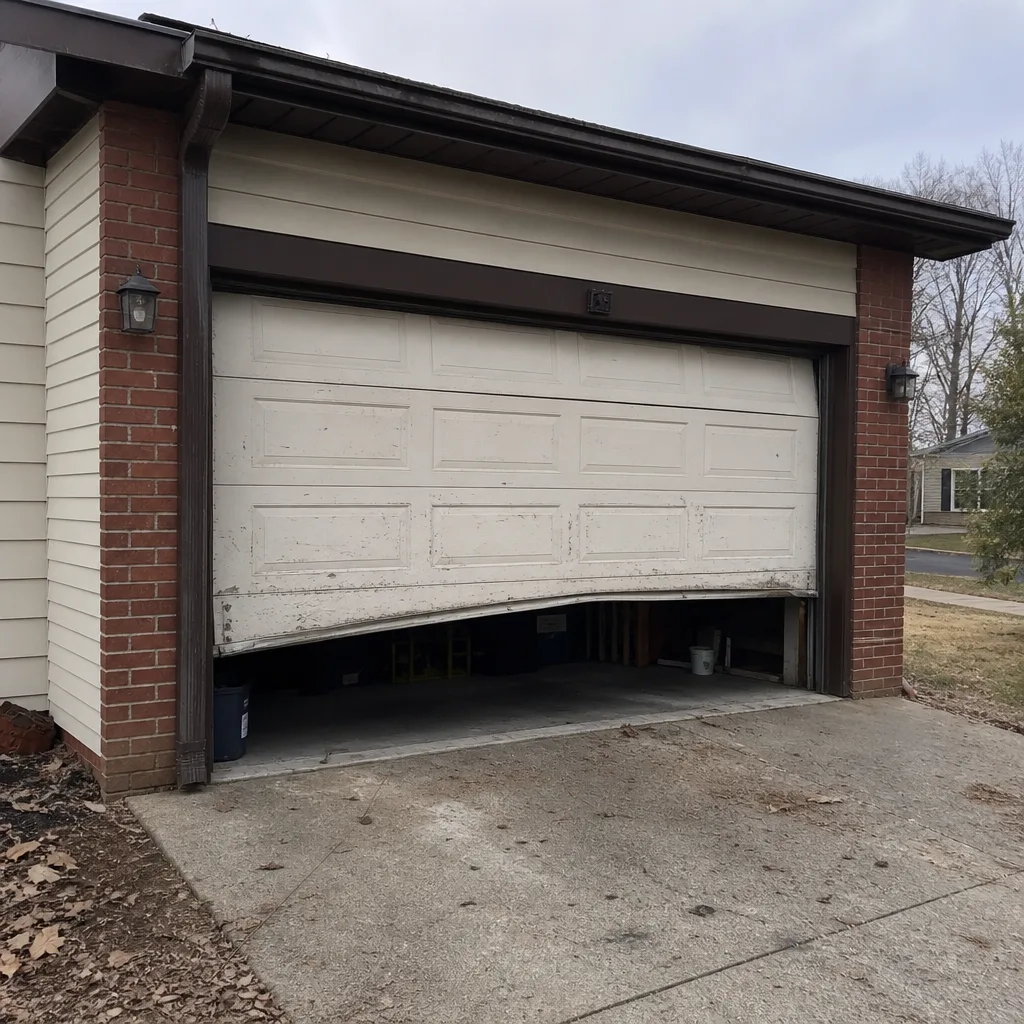 Before
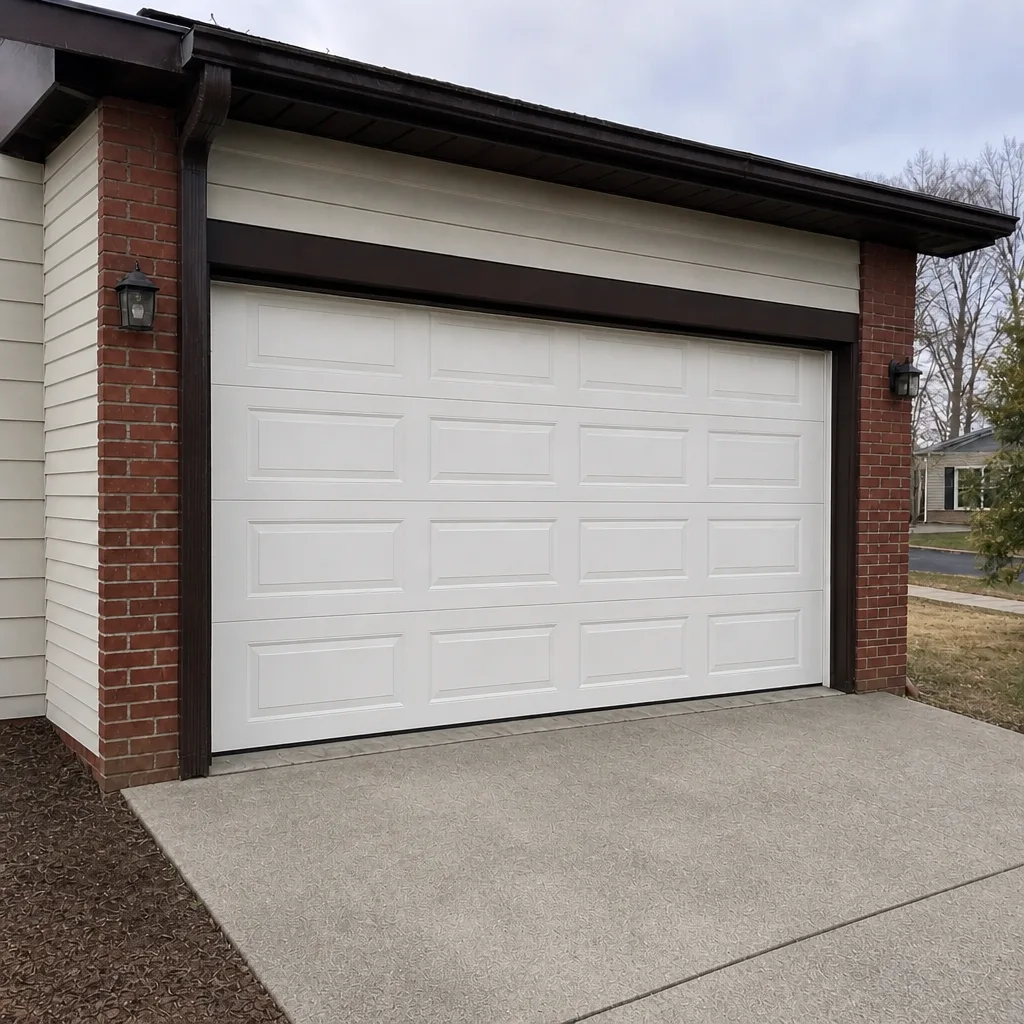 After
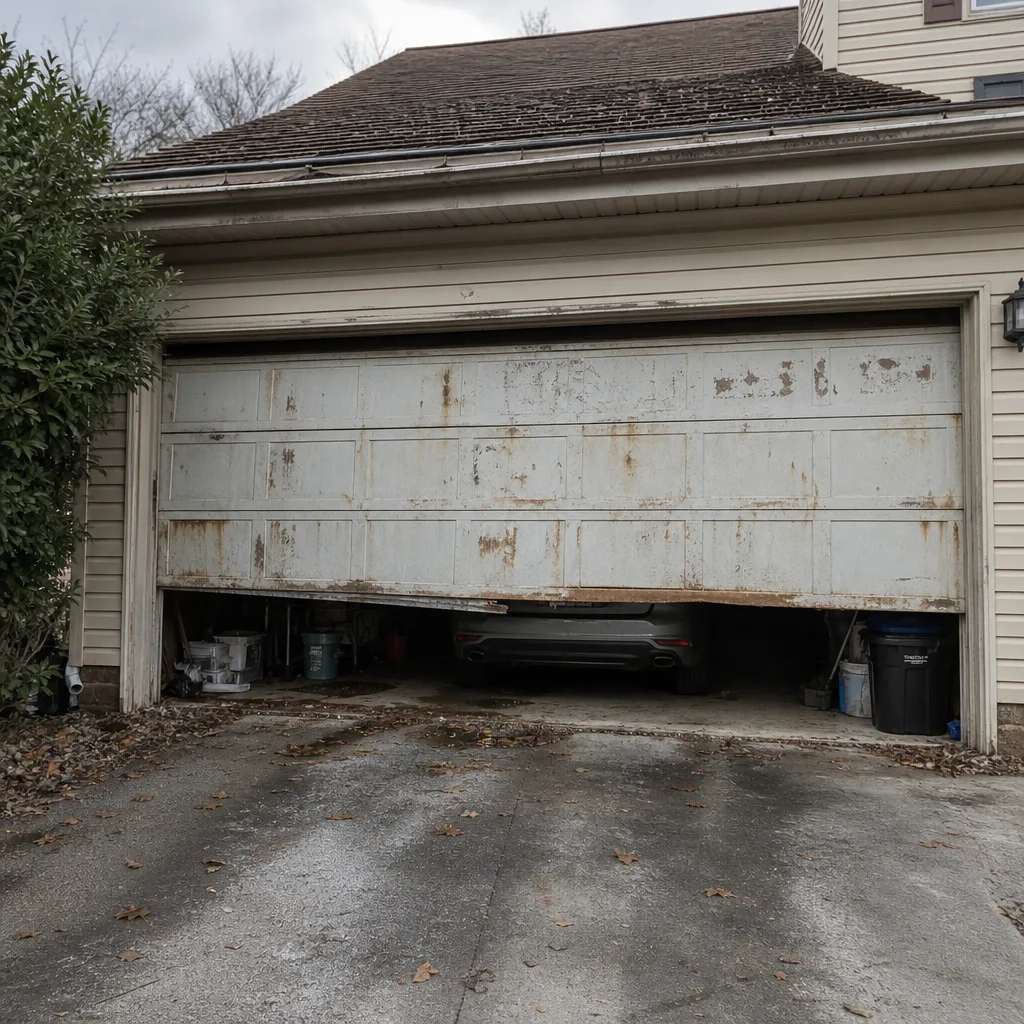 Before
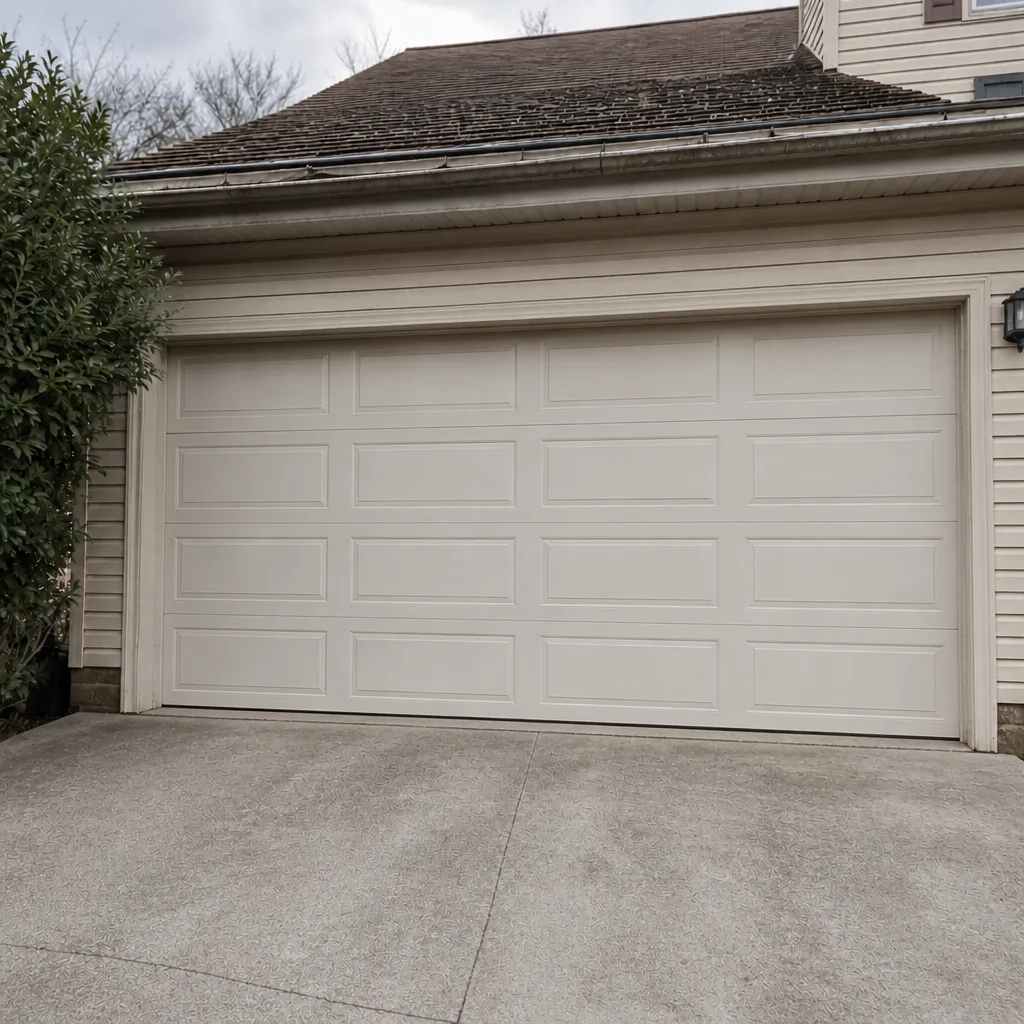 After
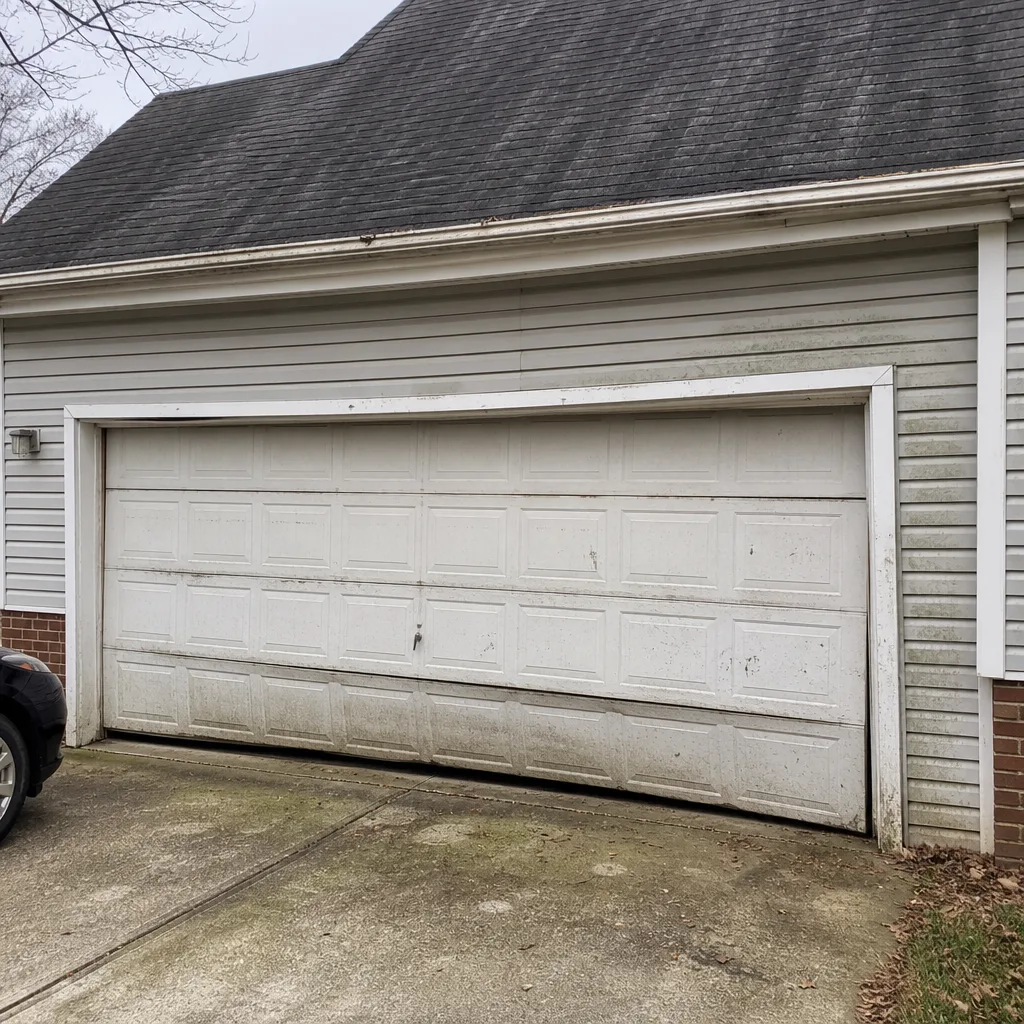 Before
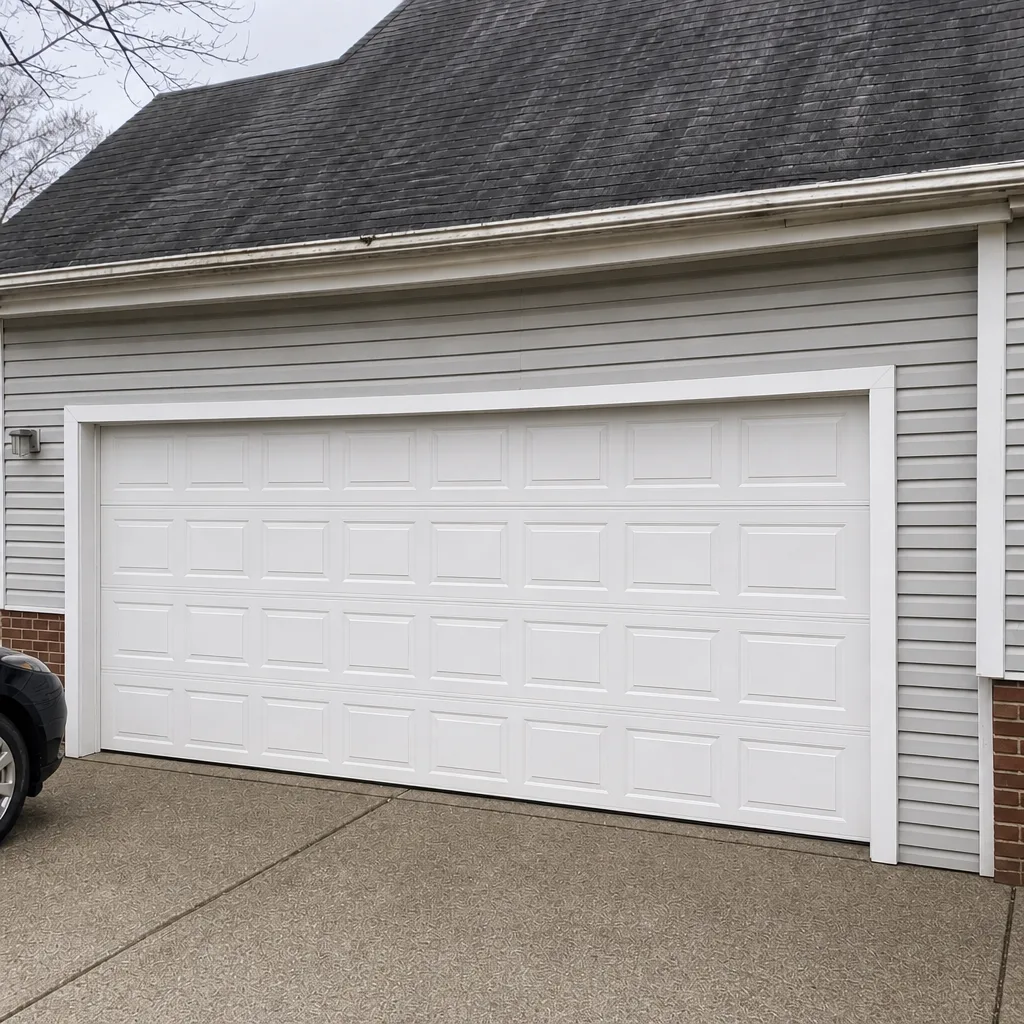 After