Last updated November 22, 2026
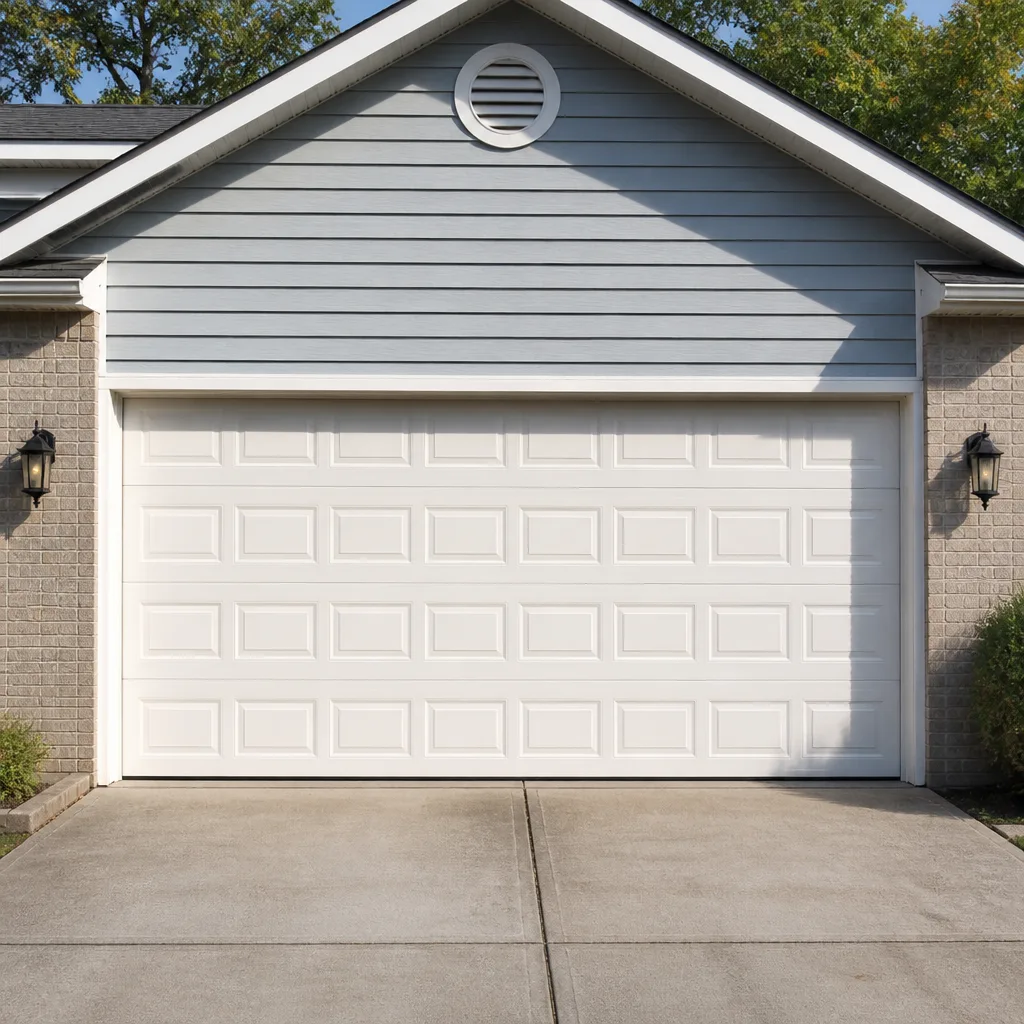 Raised-panel steel
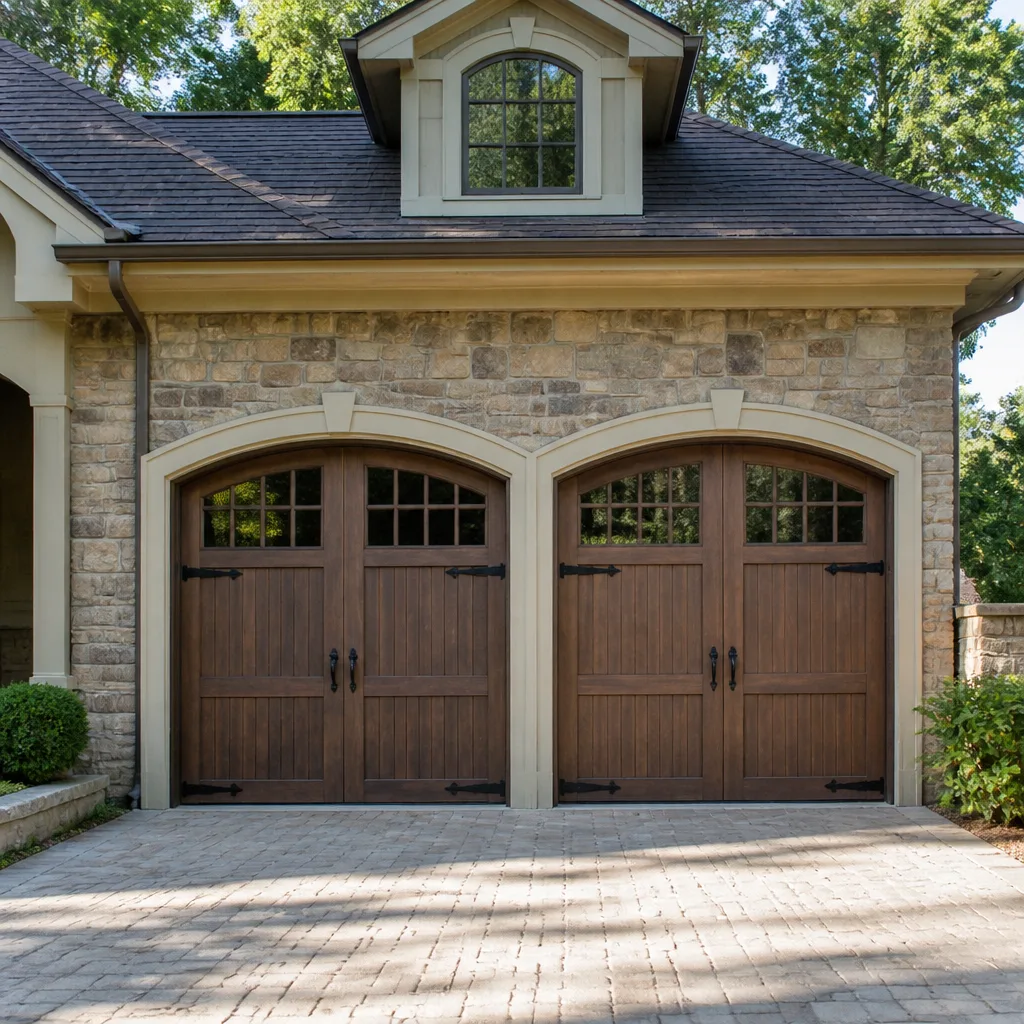 Carriage house
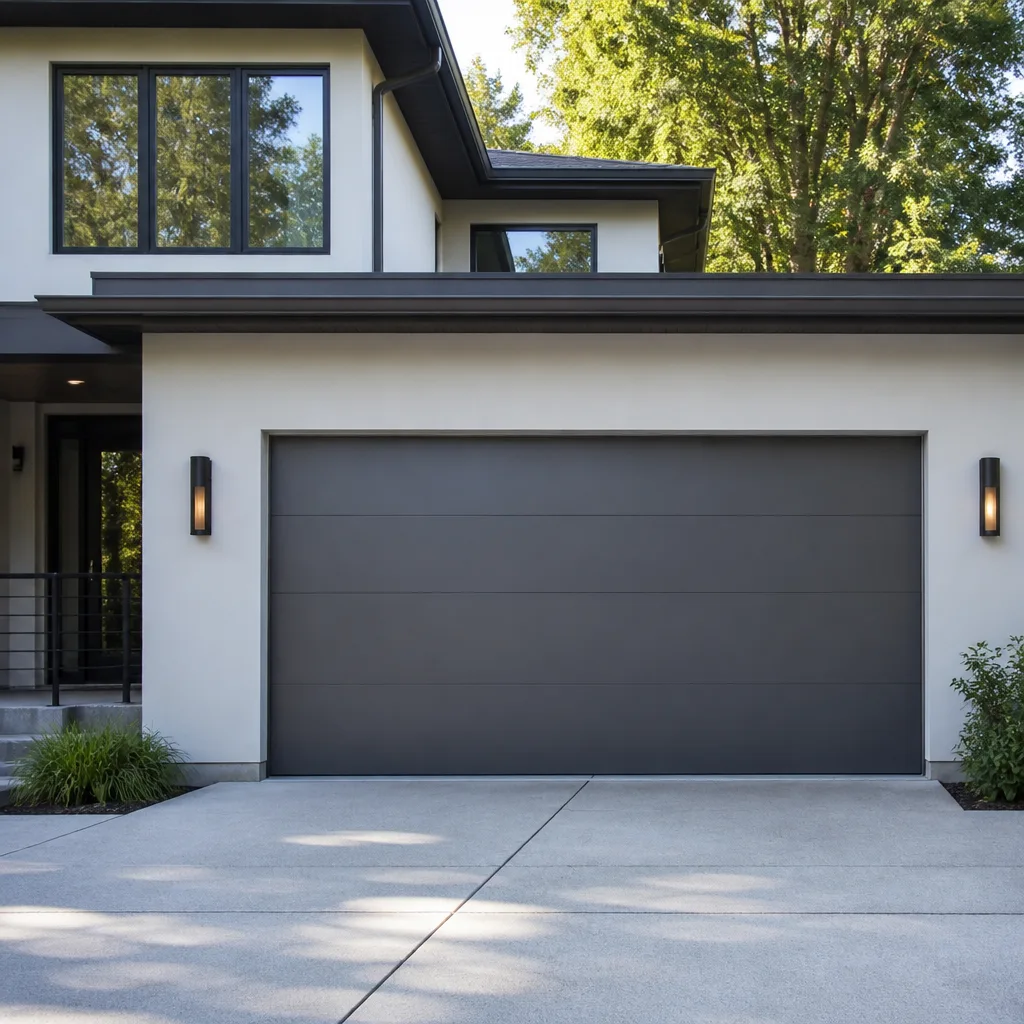 Modern flush
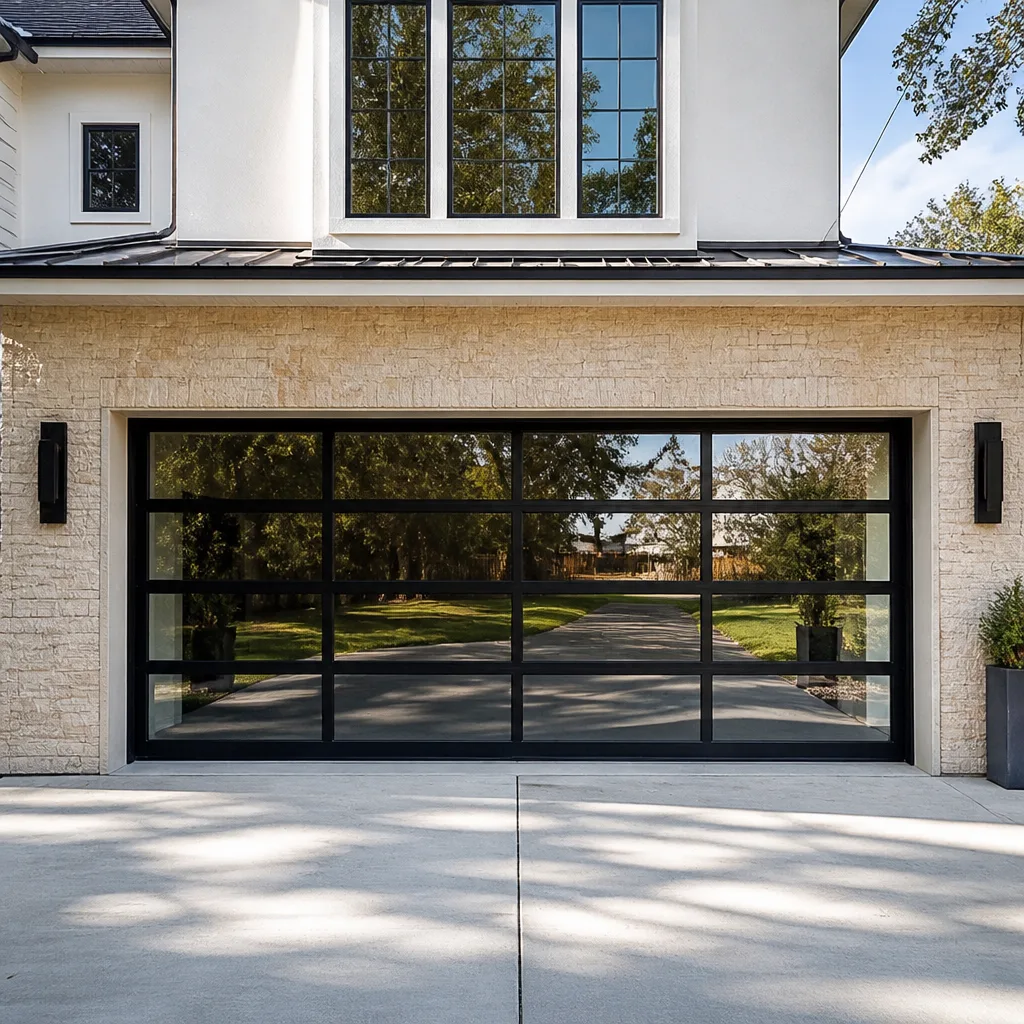 Full-view glass
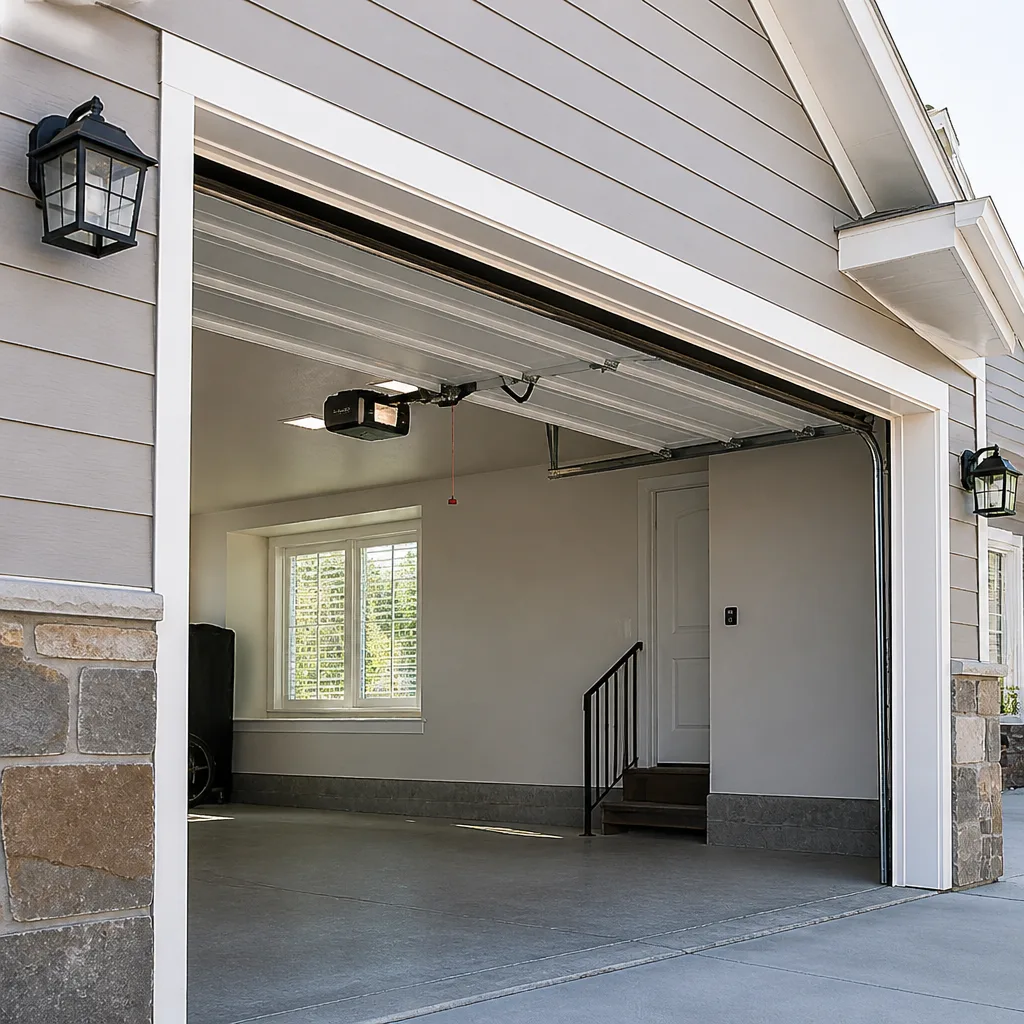 LiftMaster openers
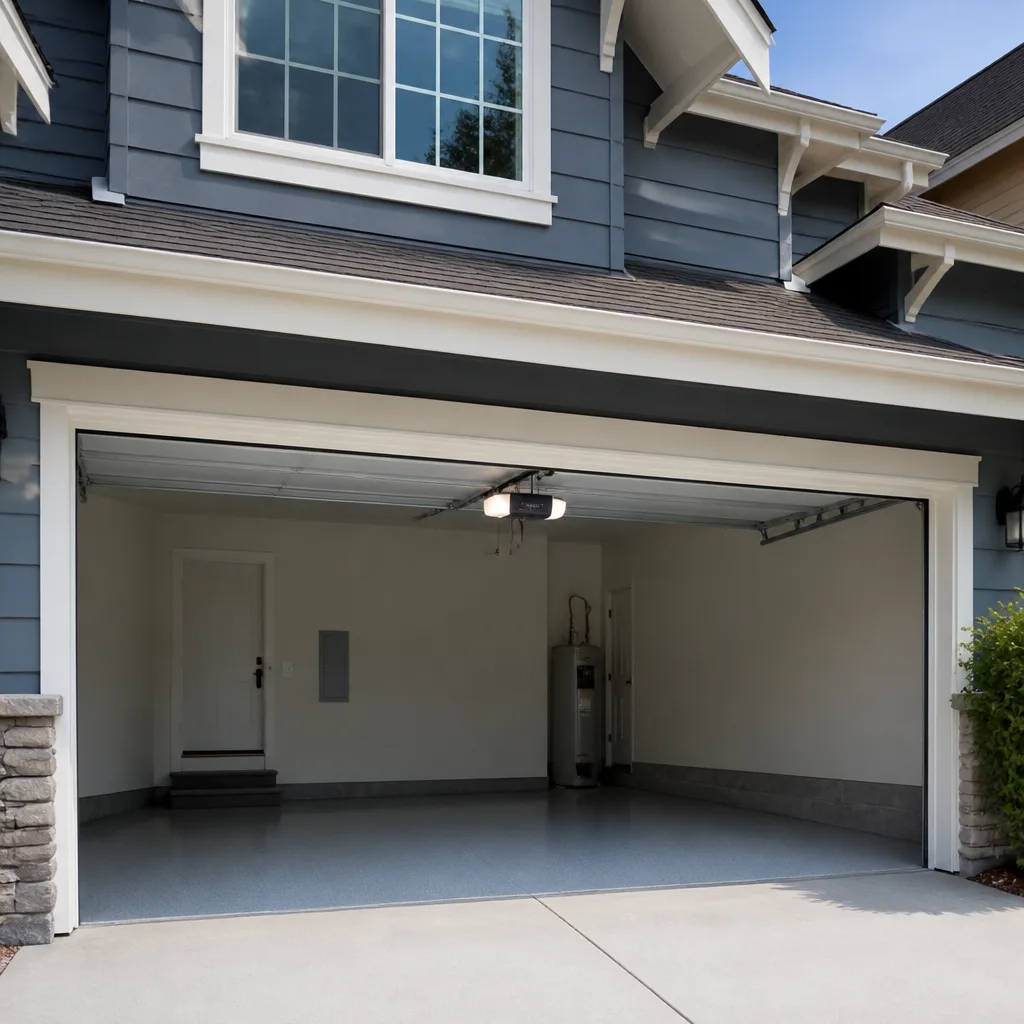 Chamberlain openers
Full 25-point door and opener safety check with every visit - springs, cables, rollers, tracks, and your LiftMaster or Chamberlain opener included
You get a price before we start. It does not change when the pro arrives.
Get your free estimateGarage Door Warning Signs: A Centreville Homeowner’s Reference Guide
That rhythmic clunking every time your door hits the halfway point isn’t random. It’s one of a handful of specific mechanical causes, and most of them get worse with every cycle you ignore. The same holds for the grinding that shows up out of nowhere, the door that reverses for no reason, or the cable that suddenly looks loose. In our experience across Centreville, the gap between “the door is acting weird” and “the door won’t open at all” is usually a few weeks of signals nobody decoded. This guide maps the sounds, movements, and visual cues to the parts causing them, so you can stop guessing and start triaging.
Quick Answer
The most urgent garage door warning signs in Centreville are a snapping or popping sound (a spring losing tension), a door that slams down or won’t stay up, a visibly broken spring coil, and a frayed or slack cable. These mean stop using the door and call a professional. Grinding, squealing, uneven travel, and remote lag are usually “schedule soon” signals rather than emergencies, but they don’t fix themselves.
Styles & brands we work with
- Raised-panel steel
- Carriage house
- Modern flush
- Full-view glass
- LiftMaster openers
- Chamberlain openers
Table of Contents
- Sound-to-Cause: What Each Noise Is Telling You
- Movement Anomalies and What They Mean Mechanically
- Visible Signals: Cables, Springs, Rollers, and Panels
- Opener Behavior Flags: Motor, Logic Board, or Sensor?
- Urgency Triage: Schedule Soon vs. Stop Using the Door Now
- How Centreville Weather Affects Your Door’s Warning Signs
- Common Mistakes to Avoid
- Frequently Asked Questions
Sound-to-Cause: What Each Noise Is Telling You
Garage doors are mechanical systems with a limited vocabulary. They make roughly four kinds of noise when something’s off, and each one points to a different part. Learning to tell them apart is the fastest way to describe the problem accurately when you call for service, which cuts diagnosis time on the visit.
- Grinding usually means metal-on-metal contact somewhere in the track-and-roller system or the opener’s drive. Worn nylon rollers, dry hinges, or a torsion tube binding against its center bearing are the common culprits. Left alone, grinding accelerates wear on the rollers and eventually the track itself.
- Squealing is friction, not failure. A high-pitched squeal is often a dry torsion spring, a dry stem on a hinge, or a roller with a seized bearing skidding instead of rolling. Squealing is the least urgent of the four, but it’s the easiest to fix before it becomes grinding.
- Popping is the sound of a torsion spring winding or unwinding unevenly, and it can also come from a cable jumping its drum. Popping is a stop-using signal. If it happens once and stops, you may have just caught a spring in the act of failing.
- Banging at the start or end of travel points to the opener’s travel limits being off, a loose spring, or a door coming down harder than it should. Banging on the way down is the one to take seriously, because it means the door is losing control of its descent.
A door with a LiftMaster or Chamberlain belt-drive opener will usually run quieter than a chain drive, so a new grinding sound on a belt system is more noticeable and worth investigating early. A Genie chain drive, on the other hand, has a natural mechanical hum that can mask early roller wear. Knowing your drive type helps you calibrate what “normal” sounds like.
Movement Anomalies and What They Mean Mechanically
Watch the door travel, not just listen to it. Movement tells you what the springs, cables, and opener are doing together, and uneven travel is the earliest visible sign that one side is carrying more load than the other.
- The door rises faster on one side – one spring is doing more work than the other, or a cable on the lagging side is binding. On a two-spring setup, this is often the first sign one spring has lost tension.
- The door jerks or stutters on the way up – usually a roller binding in the track, a bent track section, or a hinge that’s seized. It’s also common when a torsion bar is dry and grabbing.
- The door drops faster than it rises – gravity is winning. Springs that have lost tension can’t counterbalance the door’s weight, and the opener is doing the work the springs should be doing. This is a spring problem, not an opener problem.
- The door reverses partway through travel with nothing in the way – a sensor misalignment, a logic-board fault, or a limit switch set too tight. On LiftMaster and Chamberlain units, the safety sensor indicator light (solid vs. blinking) tells you which side is at fault.
- The door hangs at the top or bottom – the opener’s travel limits have drifted, or the door is hitting a physical obstruction. If the door neither opens nor closes fully, work the limits before anything else.
In Centreville, doors that sit on a south-facing wall get the most sun exposure, and heat expansion can loosen track mounting hardware over a season. A door that suddenly starts scraping on one side in summer is often a track that shifted a fraction of an inch, not a failing spring.
Motion anomalies are where we see homeowners reach for the wrong fix first. Adjusting the opener’s force setting to push through resistance makes the door move, but it doesn’t solve the underlying balance problem. When the opener is forced to carry the door’s weight, it wears out bearings and gears faster. Catching the movement anomaly before the opener fails is where a professional garage door opener repair saves you money.
Visible Signals: Cables, Springs, Rollers, and Panels
The three visible warning signs that matter most are cable slack, a gap in the spring coil, and roller wobble. Each has a specific look you can identify without mechanical training, and each maps to a different component.
- A slack or frayed cable is usually visible along the vertical run on either side of the door. Cable slack means the tension has gone somewhere else (usually a spring), and a frayed cable means strands are breaking one at a time. A frayed cable is a stop-using signal.
- A gap in the torsion spring coil shows up as a visible break in the winding, often with the two halves sitting at slightly different heights. That’s a broken spring, not a stretched one, and the door should not be operated until it’s replaced.
- Roller wobble is the small side-to-side play you can see if you watch a roller in the track while the door moves slowly. Wobbling rollers are usually worn bearings, and worn rollers are the most common cause of grinding.
- A sagging bottom panel or a lifted corner is the visual sign of a bent track or a loose hinge. The door still opens, but the seal at the floor is compromised, which is a problem for wind-driven rain in Centreville’s spring storms.
Visual inspection is safe. Touching or trying to move a stretched torsion spring, a cable under tension, or a bracket under load is not. Garage doors are counterweighted with springs that carry hundreds of pounds of force, and a torsion spring that lets go while you’re near it can cause serious injury. We recommend a look, not a touch.
When the coil has a visible gap or the cable is clearly failed, that’s a spring or cable problem, and it belongs in the hands of someone with the right tools. A dedicated garage door spring repair tech will confirm whether it’s a single spring, a matched pair, or a cable-driven system before quoting the work.
Opener Behavior Flags: Motor, Logic Board, or Sensor?
When the door itself looks fine and moves evenly, the problem is often upstream in the opener. Opener symptoms fall into three buckets: motor, logic board, and sensor alignment. Knowing which bucket your symptom lands in tells you whether it’s a roadside adjustment or a bench repair.
- Excessive run time – the opener keeps running for a few seconds after the door stops, or seems to strain at the top. That’s often a limit switch set wrong or a logic board failing to cut power. On a LiftMaster or Chamberlain, a wall console that flashes a code pattern confirms which.
- Reversal without obstruction – the door reverses partway up or down with nothing in the beam. Sensor misalignment is the most common cause; a dirty lens or a spider web across the beam is the low-hanging fix. On Genie and Craftsman units, the sensor LED pattern is the fastest diagnostic.
- Remote lag or partial response – a remote that works from the driveway but not from the kitchen, or that works sometimes. That’s usually a battery, antenna wire, or a logic-board receiver issue, not the motor. A LiftMaster or Chamberlain with a wall button that works fine is telling you the motor is healthy and the receiver is not.
- Motor hums but the door doesn’t move – the motor is trying, but the drive train is jammed or the door is locked or manually disengaged. Check the manual release first, then call if the release is engaged and the door still won’t move.
The most common opener mistake we see in Centreville is a force-setting adjustment used as a band-aid. The opener runs, the door moves, and two months later the gear train gives out. If your opener symptoms started after a spring weakened, the fix belongs to the spring, not the motor. And if the opener is genuinely failing, an opener repair visit on a LiftMaster, Chamberlain, Genie, or Craftsman unit is usually the faster path than replacing the drive system outright.
Urgency Triage: Schedule Soon vs. Stop Using the Door Now
Not every warning sign is an emergency, and treating a squeal like a broken spring wastes a service call while ignoring a broken spring wastes a door. Here’s how we triage, in the order we’d tell a neighbor to check.
Stop using the door now (call today)
- A visible gap in the torsion spring coil, or a spring that has visibly unwound
- A frayed or slack cable, or a cable that has come off its drum
- The door drops, slams, or won’t stay up when raised halfway
- A loud snap, bang, or popping sound followed by the door not moving
- The door is visibly crooked or hanging off one track
Schedule soon (within the week)
- Grinding that’s new or getting louder
- Uneven travel or jerking that’s still functional
- A roller wobble or a bent track the door can still clear
- An opener that reverses without obstruction, or a remote that’s intermittent
Watch (this month)
- Squealing at the hinges or rollers, no grinding
- Minor vibration or a hum that’s louder than it used to be
- A small gap in the weather seal at the bottom of the door
For Centreville homeowners, the calculus is simple. A garage door is the largest moving object in a house, and a door that’s barely operating is a security issue as well as a mechanical one. If the door won’t close, your home is open; if the door won’t open, your car is trapped. Emergency service exists for the first group, so use it there and save the routine calls for the second.
Our technicians have up to 14 years of experience, and a large part of that experience is triage: telling a homeowner which warning signs are “call me next week” and which are “don’t touch it.” A free estimate is an honest way to get that triage in person. If you’d rather call first, (855) 497-3217 gets you a real conversation with a real technician.
How Centreville Weather Affects Your Door’s Warning Signs
Garage doors in Centreville live through a specific climate: humid summers, freeze-thaw cycles in winter, and spring storms that drive rain against the weather seal. That cycle does predictable things to the parts that matter.
- Humidity swells and dries wood and treats metal harshly. Wooden door panels and wood jamb trim can move seasonally, which loosens hinges and creates gaps. Metal tracks and hinges can rust at the seams, which is where grinding often starts.
- Freeze-thaw cycles make the floor seal a wear item. The bottom weather seal takes the most abuse, and a seal that’s cracked or flat lets in rain and increases strain on the whole door.
- Summer heat expands the tracks and mounting hardware. A door that ran fine in spring can start scraping on one side in July, usually a track that’s shifted slightly in its brackets, not a failing spring.
- Spring storms stress the weather seal and the bottom panel. Wind-driven rain finds the gaps, and a bottom panel that stays wet will eventually show rust at the seams.
The practical takeaway: check the visible signals and listen to the sounds at the start of each season, and note anything that changed. A door that clunks in October and still clunks in April has been clunking through the freeze-thaw cycle, and that’s more cycles on the failing part.
Centreville’s housing mix matters too. Older subdivisions with original wood or older steel doors tend to show hinge and track wear first, while newer builds with heavier doors put more load on the springs. Neither is a defect; both are things to watch, and both are worth a professional look when the first warning sign appears.
Common Mistakes to Avoid
- Adjusting the opener’s force setting to push through resistance. It makes the door move for a while, but it overloads the motor and the door. The resistance isn’t the problem; it’s the symptom.
- Trying to fix a torsion spring or cable yourself. A torsion spring under tension can cause serious injury if released improperly. This is the one repair we’d always leave to a trained professional.
- Greasing a roller that has a seized bearing. Grease doesn’t bring back a bearing; it just hides the wobble for a couple of weeks. Worn rollers should be replaced, not greased.
- Assuming a new opener will fix a door problem. A heavy door with weak springs will wear out a new opener faster than it wore out the old one. Fix the door’s balance before touching the drive system.
- Ignoring a small gap in the floor seal. In Centreville’s spring storms, that gap is where wind-driven rain gets in, and the resulting moisture is where rust starts. Weather seals are one of the cheapest parts to replace.
- Driving a remote-based diagnosis without checking the wall button. If the wall button works and the remote doesn’t, the motor is probably fine and the receiver isn’t. That’s a very different (and cheaper) repair.
- Letting a “schedule soon” sign sit for months. Squealing becomes grinding, grinding becomes a seized roller, and a seized roller becomes a bent track. Each step is more expensive than the one before it.
See the difference
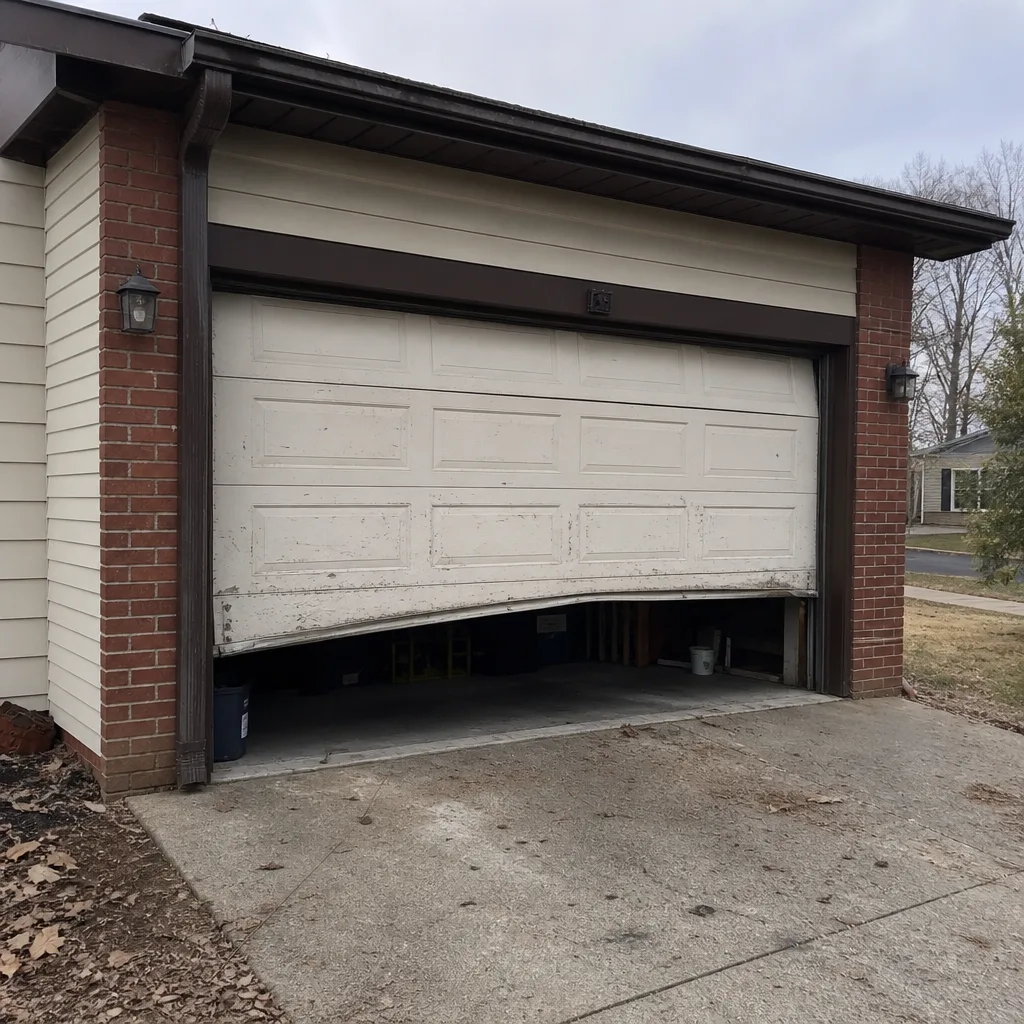 Before
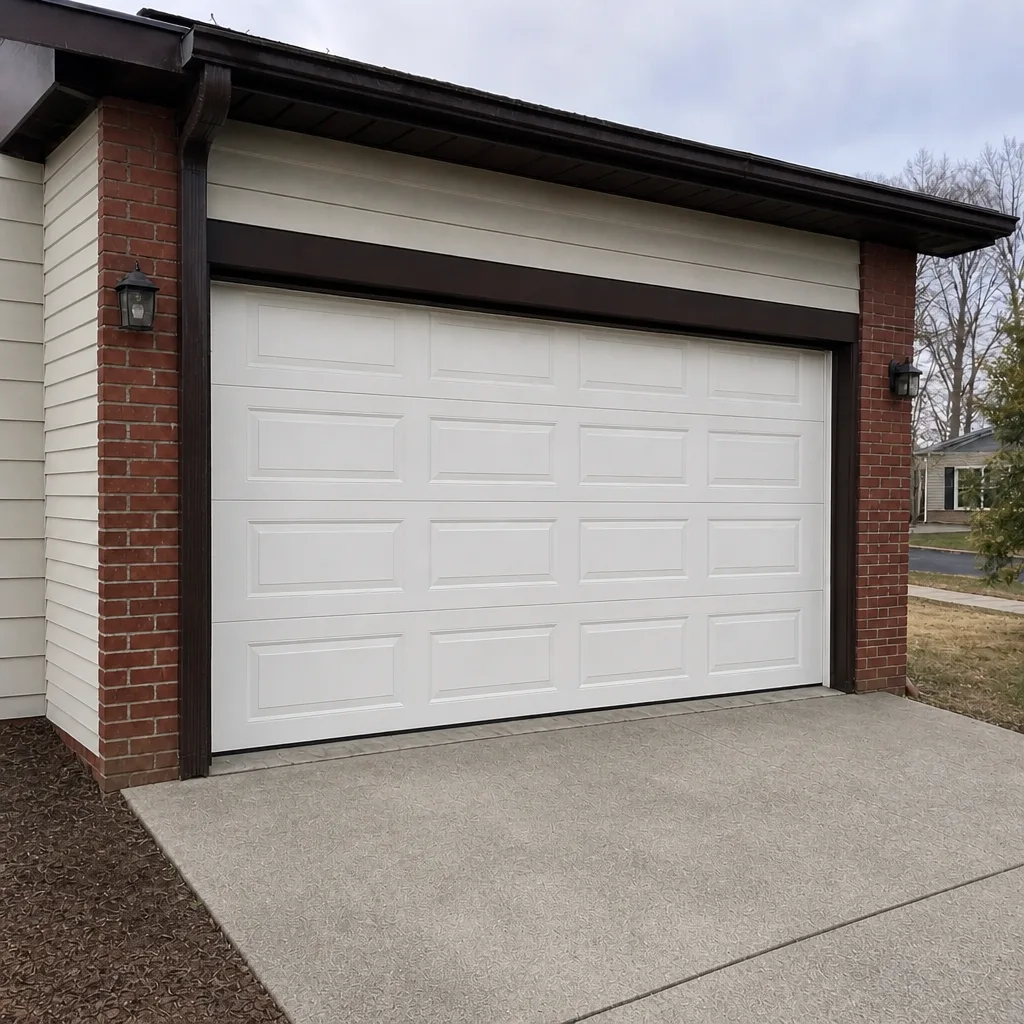 After
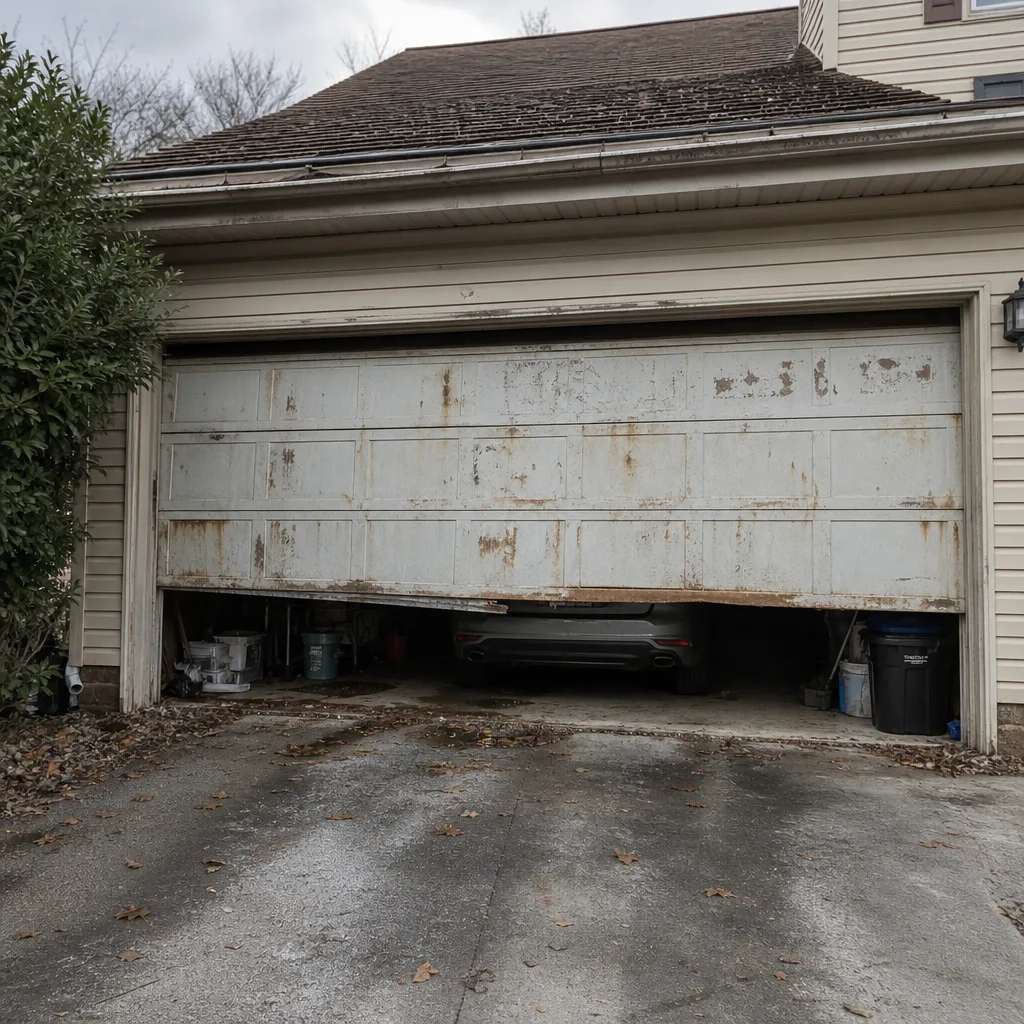 Before
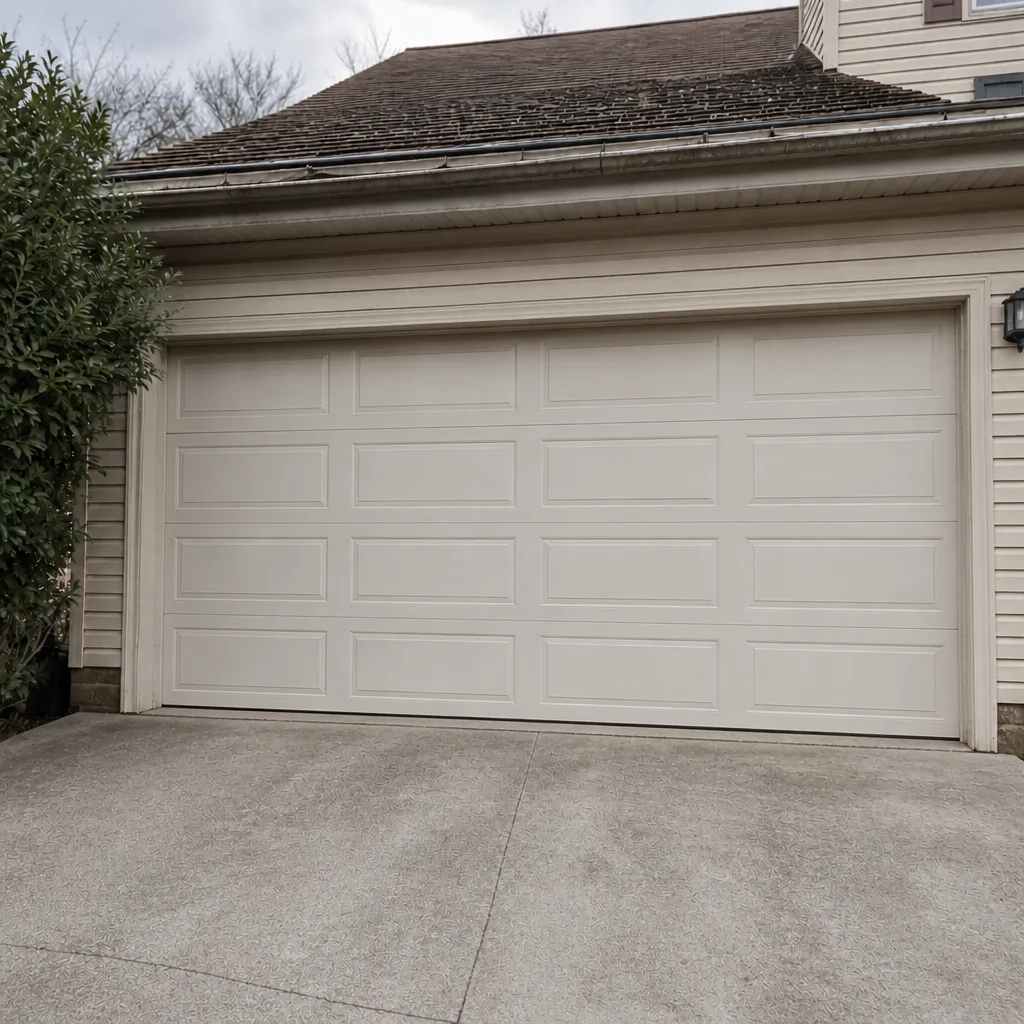 After
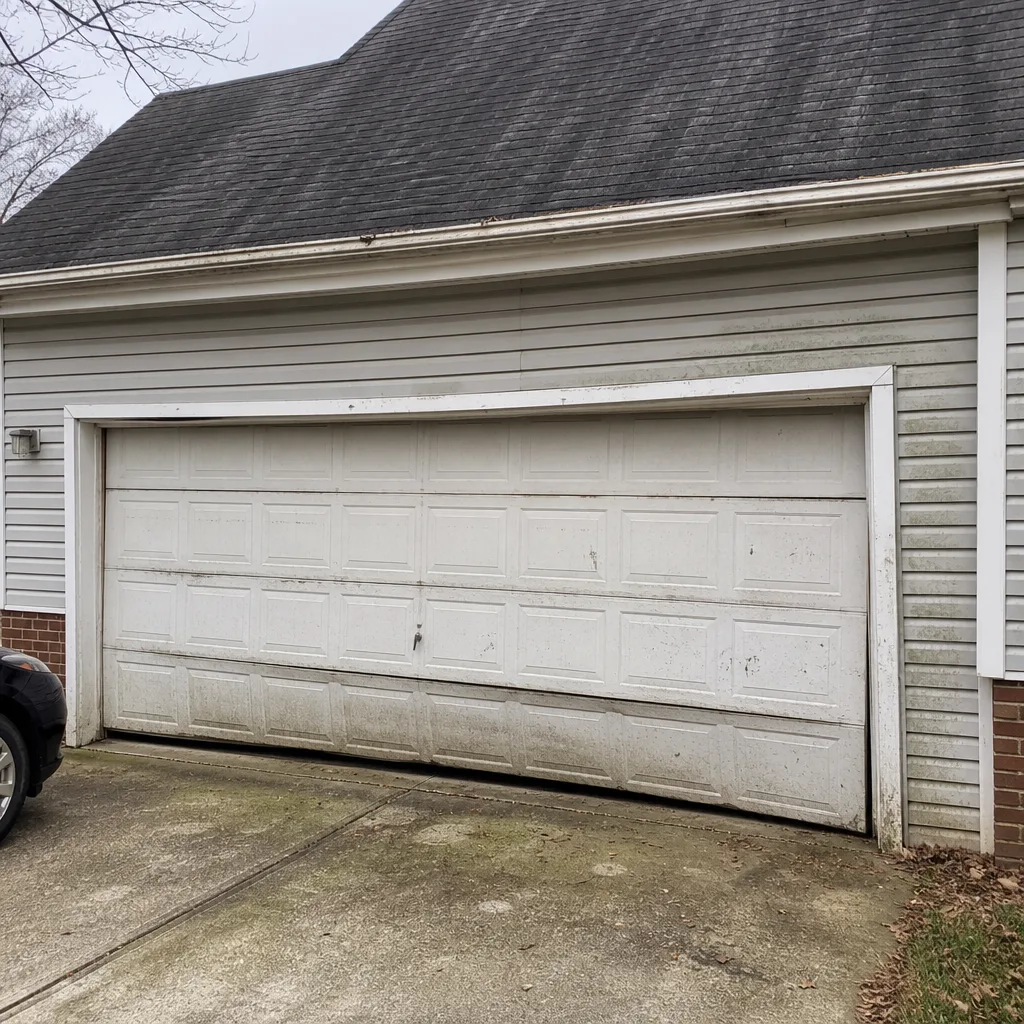 Before
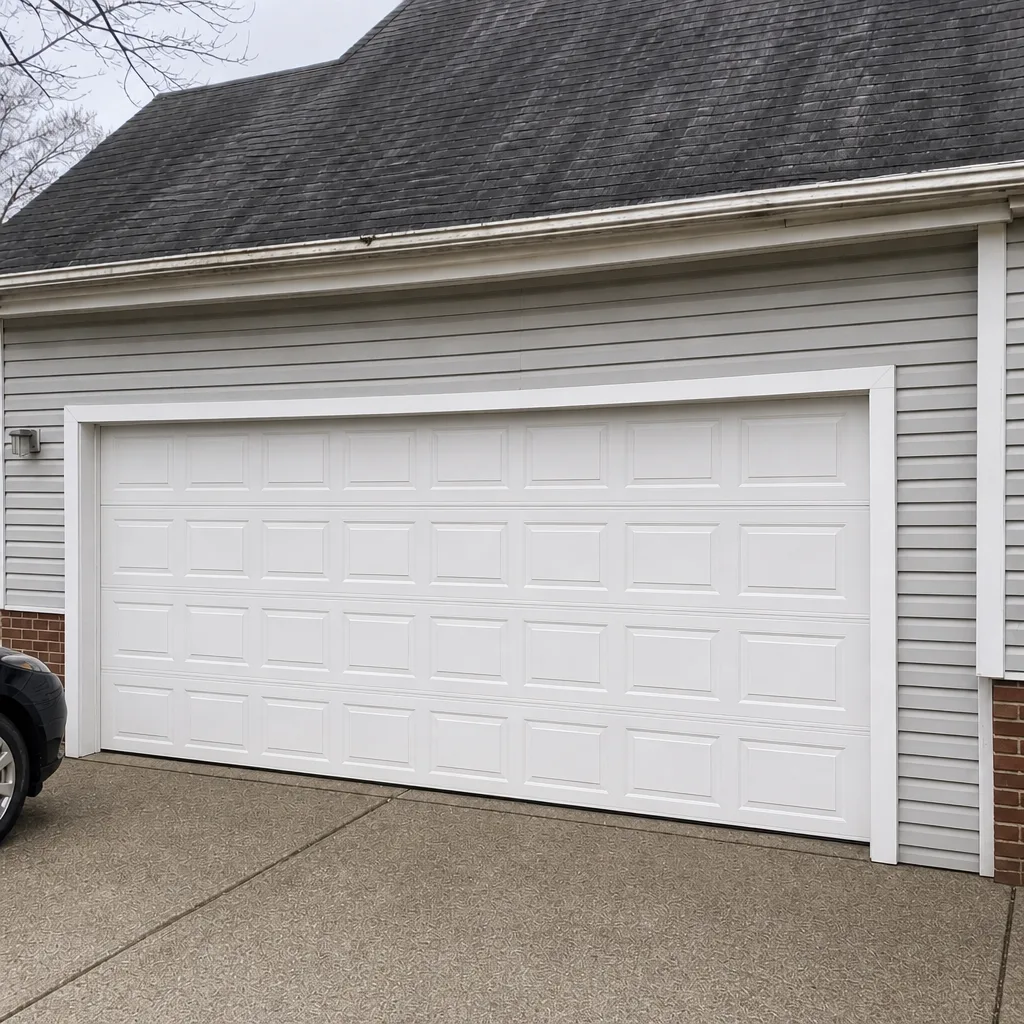 After
When to Call a Professional
Call us when the door has a visible broken spring, a slack or frayed cable, or a loud snap followed by no movement. Call us when the door reverses with nothing in the way, drops harder than it used to, or starts grinding a few seconds into travel. Call us if you’ve tried a quick fix that didn’t hold and you want the actual diagnosis rather than another guess. And call us for a door you simply can’t trust to open in the morning, because a door that’s barely working is a door waiting to fail at the wrong time.
Garage Door Repair Centreville offers free estimates in Centreville and services LiftMaster, Chamberlain, Genie, Clopay, Amarr, Wayne Dalton, Craftsman, and Raynor equipment. Call (855) 497-3217 and we’ll tell you what we’d check first, in plain terms, before you spend a dime. For routine repairs and openers, we can often get to the same issue fast; for spring replacements and new doors, expect a written quote before anything is ordered or installed.
Frequently Asked Questions
Look for a visible gap in the torsion spring coil above the door, or a spring that appears to have unwound and is sitting at a different height on one side. Both are visual signs of a broken spring and mean the door should not be operated. A door that suddenly won’t lift, or lifts and then slams, is also a classic broken-spring symptom. Call (855) 497-3217 for a free estimate before using the door again.
Grinding is usually a “schedule soon” warning, not an emergency, but it will get worse the longer you run the door. The common causes are worn rollers, dry hinges, or a binding center bearing. What you want to avoid is grinding that gets louder over a week, because that usually means a roller is seizing and eventually the track bends. Call and get it looked at before week two.
Often yes. Broken springs and doors that won’t open or close are the emergency calls we prioritize, and same-day service is available for those situations. The sooner you call, the more likely a same-day slot. Call (855) 497-3217 and tell us the sound, the symptom, and the door type, and we’ll give you an honest answer about timing.
No, not in surprise ways. We inspect, explain what’s wrong, and quote the repair before any work starts. If you approve, that quoted price is what you pay. If a new issue turns up mid-repair, we stop and re-quote rather than adding dollars to the invoice. That’s the standard for the whole job, springs and openers included.
Reversal without obstruction is usually a sensor problem, but it can also be a logic-board fault or a travel limit set too tight. The fastest check is the sensor LED: if it’s blinking rather than solid, one side is misaligned, dirty, or blocked. On LiftMaster and Chamberlain units, the sensor indicator is a clear tell. If the LED is solid and the door still reverses, it needs a technician, not a homeowner adjustment.
Yes. The local professionals we connect you with are licensed and insured as their state requires, and the technicians who handle spring and opener work are trained on the brands they service. Our technicians have up to 14 years of experience. Call (855) 497-3217 for a free estimate, and you’ll get a clear picture of the fix before anyone touches the door.
A standard torsion spring replacement is usually a same-visit job, typically under a couple of hours once the technician has the right spring on hand. Matched pairs are usually replaced together, so a pair takes longer than a single. It’s not a job to rush. Call (855) 497-3217 and we’ll walk you through what a spring replacement involves before we schedule it.
The Bottom Line
Every sound your garage door makes has a cause, and every visible warning sign has a component behind it. Grinding points to rollers and hinges, popping points to springs and cables, banging points to limits and travel, and squealing points to friction anywhere in the system. The urgent list is short: broken spring, frayed or slack cable, a door that drops or won’t stay up. The rest is “schedule soon” rather than “stop using the door,” but “soon” is not “never.” Fix the balance before you fix the opener, keep the springs and cables out of the do-it-yourself pile, and treat your Centreville garage door like the big machine it is.
Written by the team at Garage Door Repair Centreville.