Last updated November 22, 2026
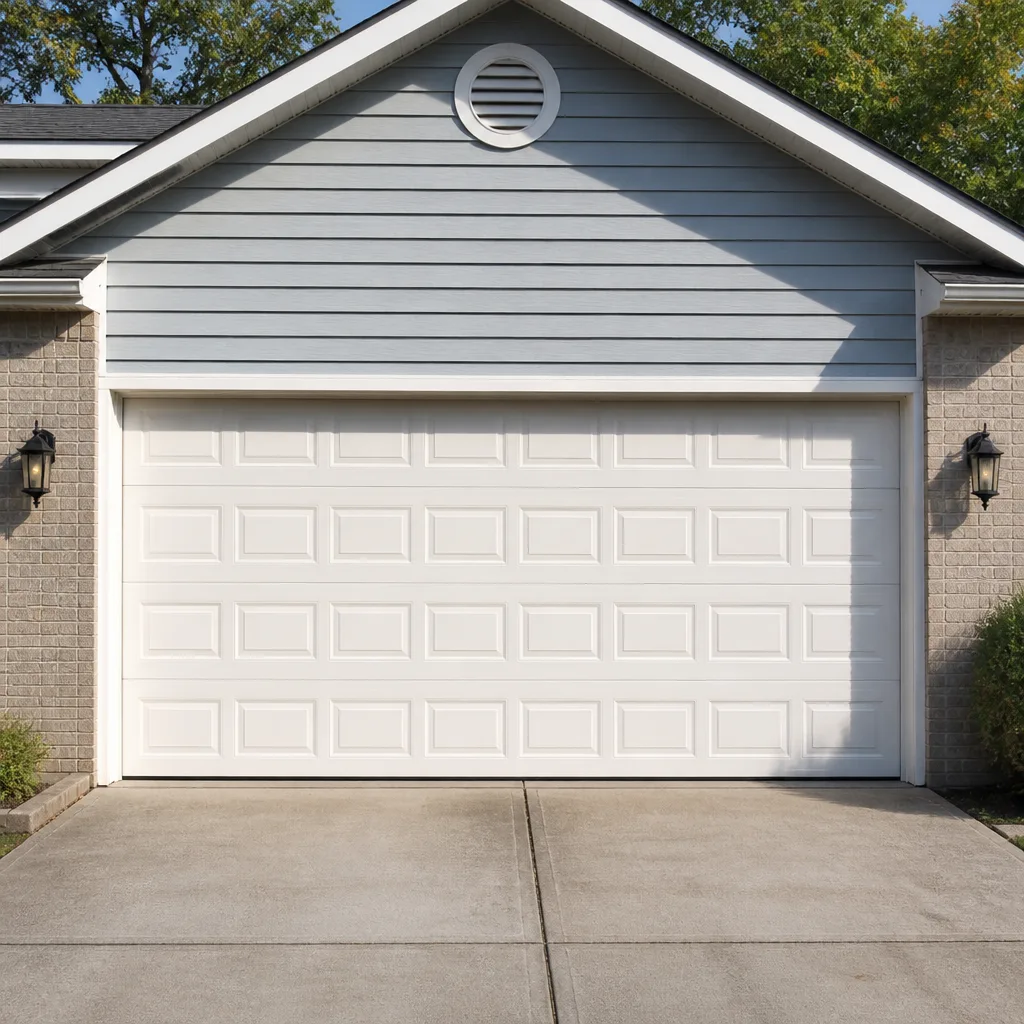 Raised-panel steel
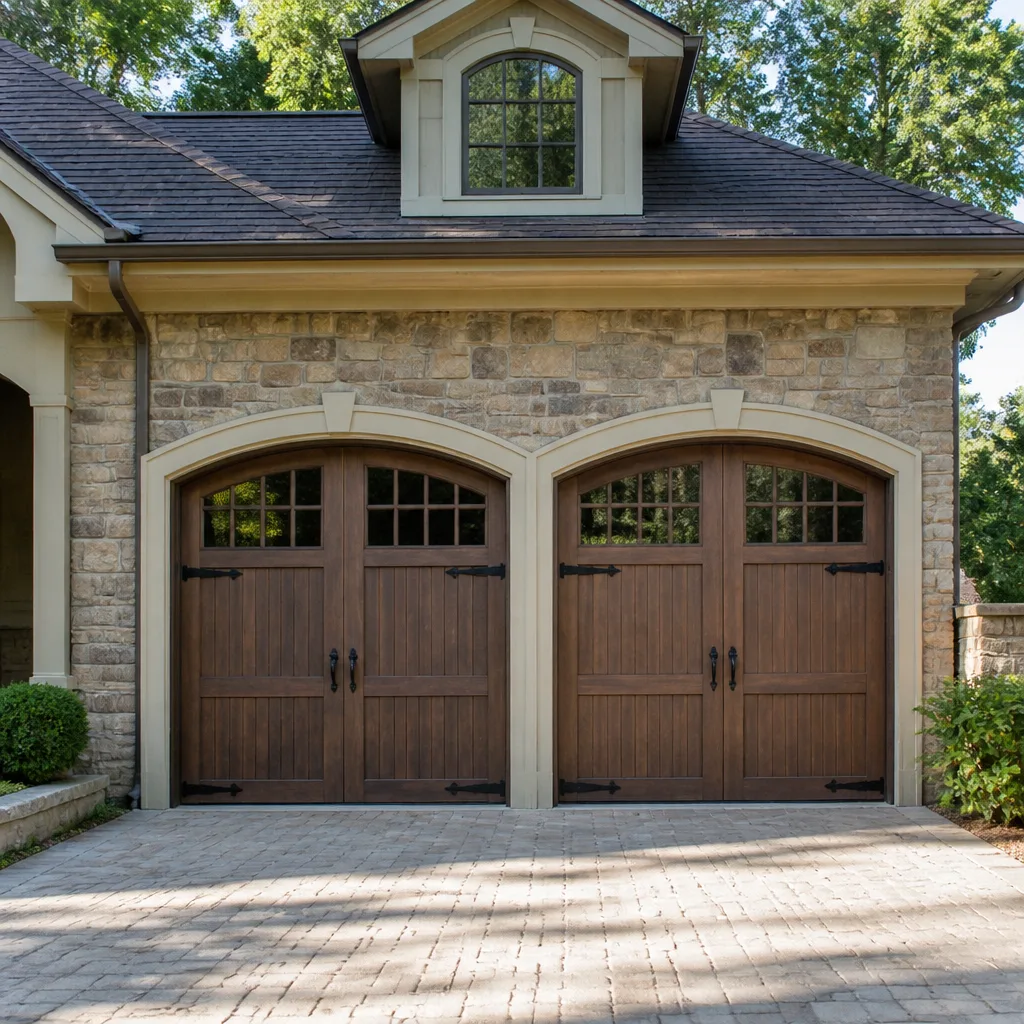 Carriage house
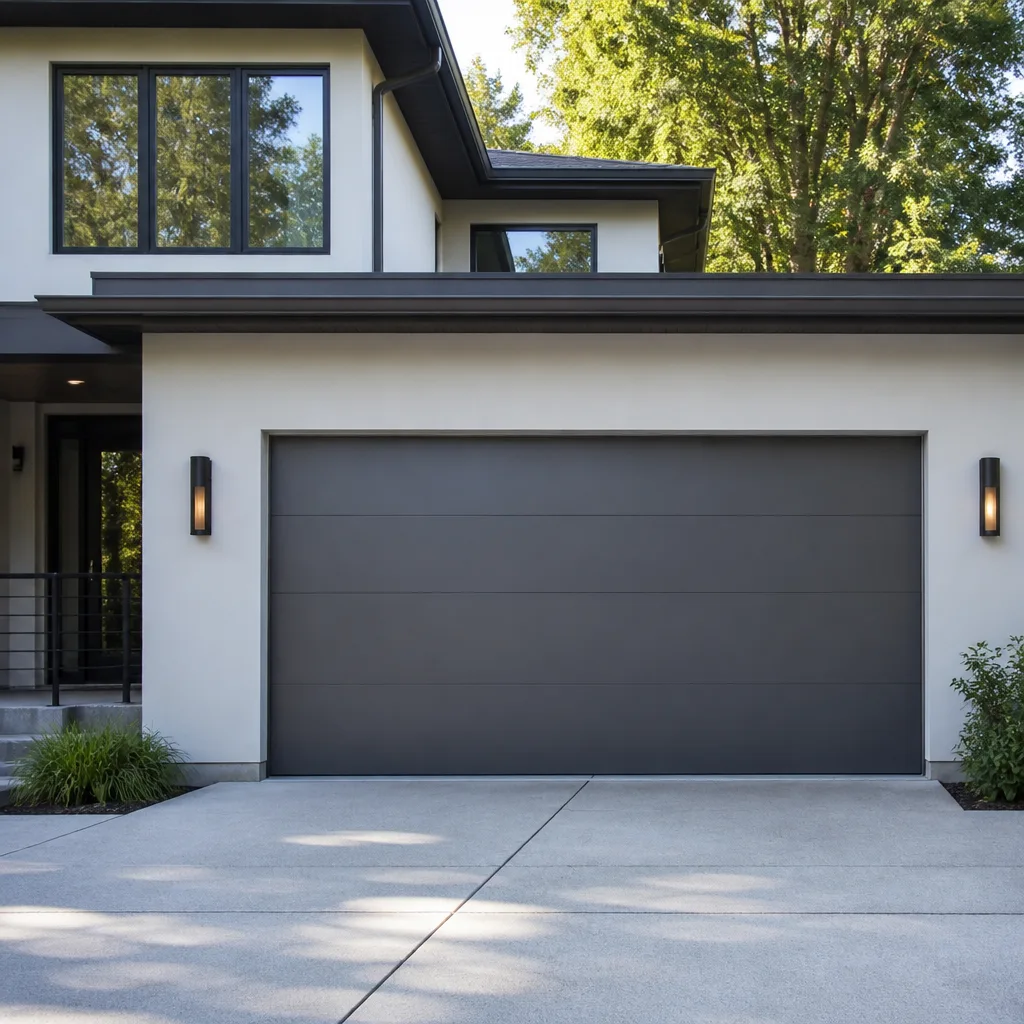 Modern flush
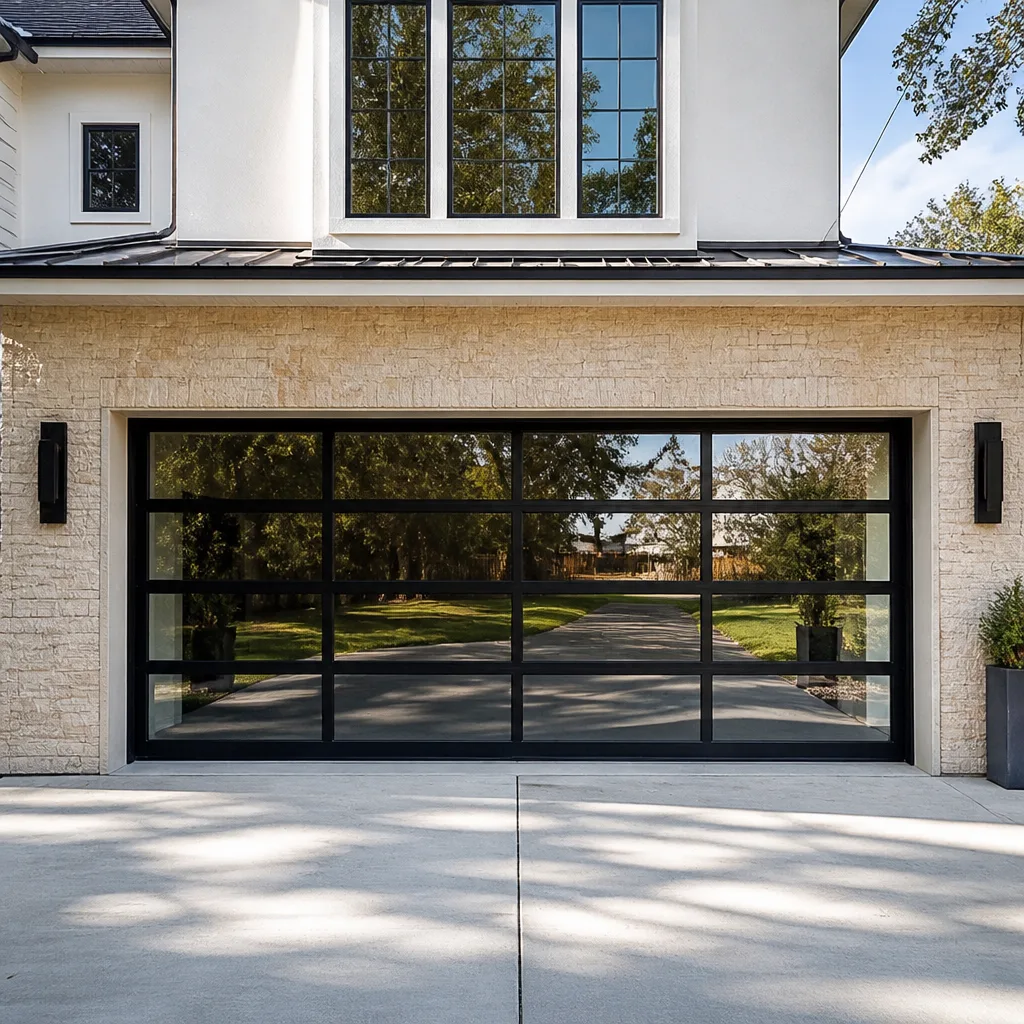 Full-view glass
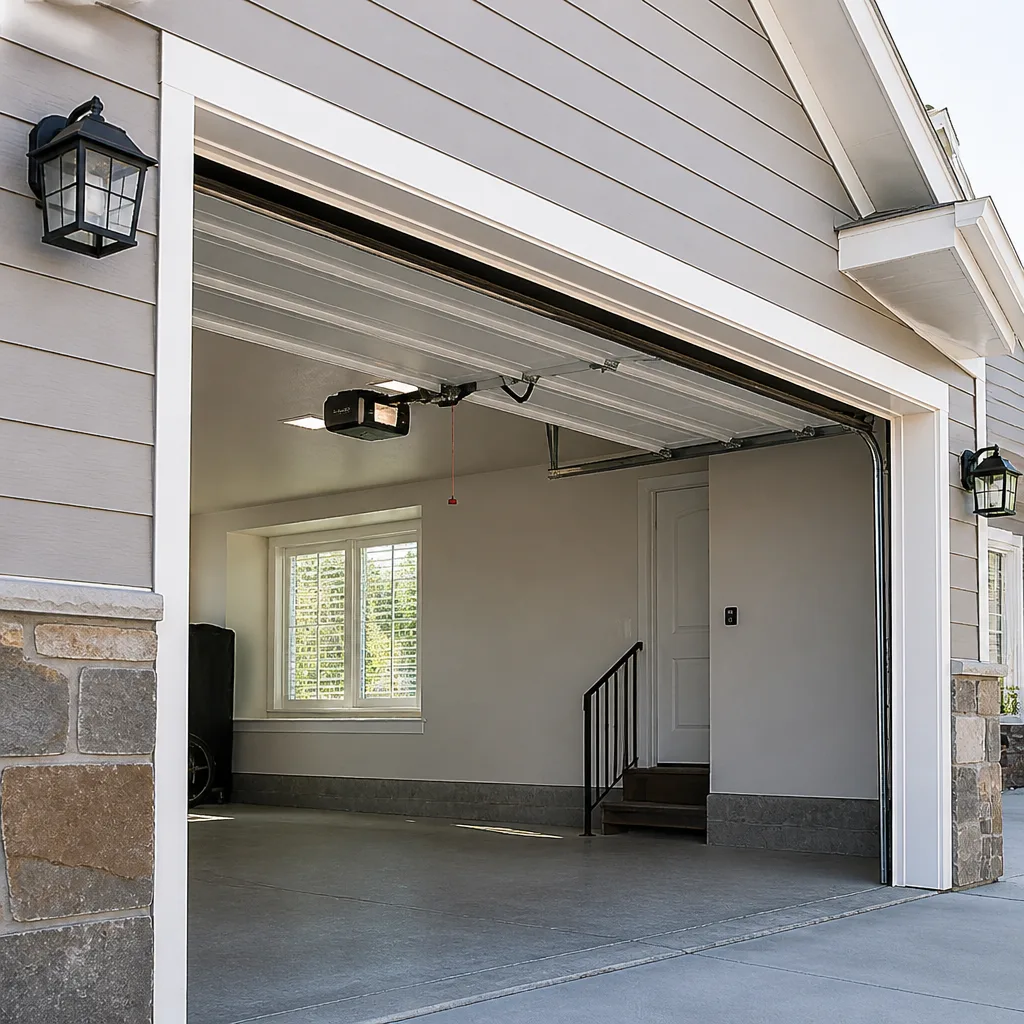 LiftMaster openers
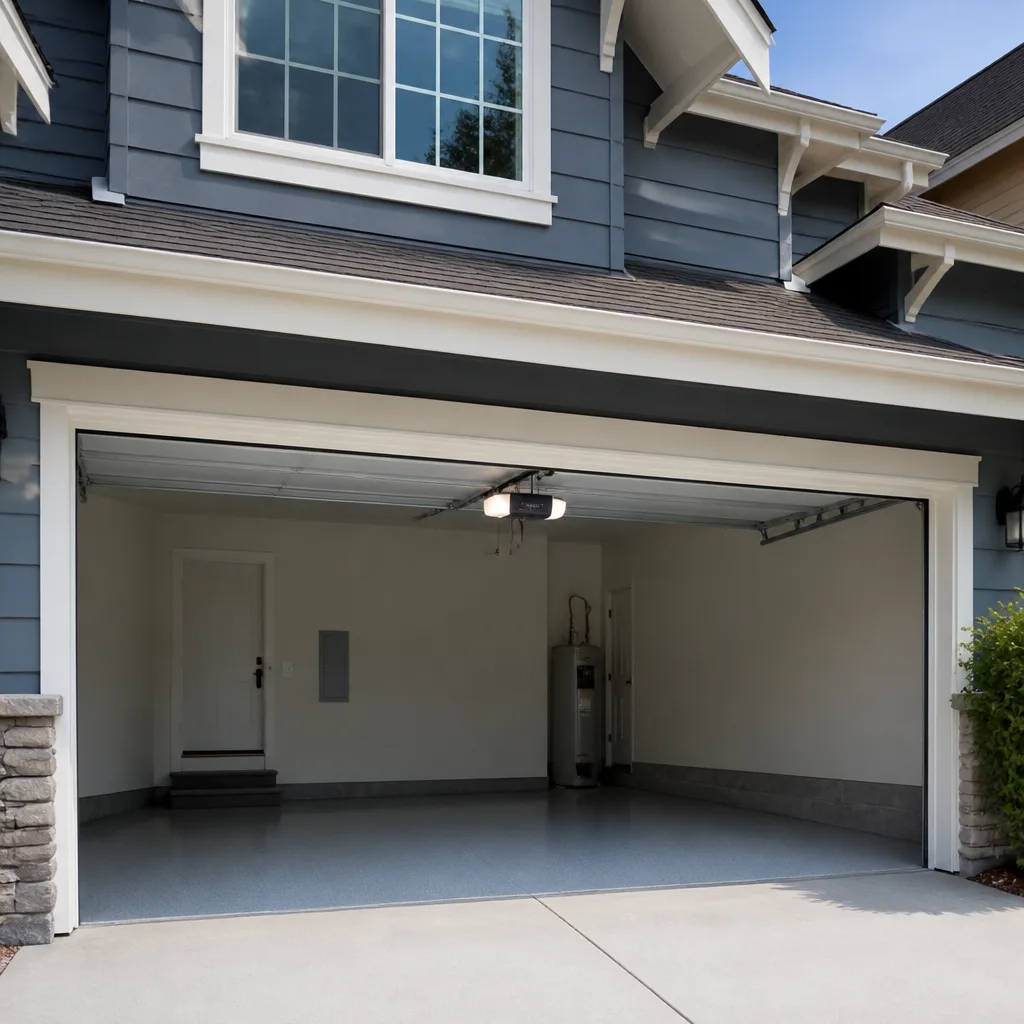 Chamberlain openers
Full 25-point door and opener safety check with every visit - springs, cables, rollers, tracks, and your LiftMaster or Chamberlain opener included
You get a price before we start. It does not change when the pro arrives.
Get your free estimateThe Complete Guide to Garage Doors in Centreville
Most Centreville homeowners treat their garage door as a wall that happens to move. It isn’t. It’s a counterbalanced machine with springs under tension, a track system, rollers, hinges, and a logic board that runs the whole thing – and it cycles more than almost any other mechanical system in the house. National buyer guides skip that reality. They tell you to pick a material by color and an opener by price, then leave you to discover the rest when something breaks on a Tuesday morning with your car trapped inside. This guide works the other way around. It explains how a Centreville garage door actually behaves in Northern Virginia’s humidity and freeze-thaw swing, what the subdivisions around here expect from a door’s look, and how to read a quote so you compare the same job across contractors. You’ll finish knowing what to buy, what to fix, and when to stop trying to fix it yourself.
Quick Answer
A garage door in Centreville is a spring-balanced system that needs the right material, insulation level, and opener type for Northern Virginia’s humidity swings and freeze-thaw cycles, plus a style that fits your subdivision’s HOA. Most homeowners overspend by choosing from national advice instead of local conditions, and by comparing quotes that describe different jobs. The written estimate, agreed before any work starts, is the price you pay.
Styles & brands we work with
- Raised-panel steel
- Carriage house
- Modern flush
- Full-view glass
- LiftMaster openers
- Chamberlain openers
Table of Contents
- How a Garage Door Actually Works
- Why NoVA Climate Changes Your Material Choice
- HOA-Compliant Doors in Centreville Subdivisions
- Matching an Opener to Your Household
- Brands, Parts, and What’s Serviceable Locally
- What Garage Door Work Costs in Centreville
- How to Read a Garage Door Quote Line by Line
- The Maintenance Schedule That Actually Matters
- Common Mistakes to Avoid
- When to Call a Professional
How a Garage Door Actually Works
A sectional garage door is a balance, not a lift. Two torsion springs (or, on older doors, extension springs) store energy as the door closes and release it as the door opens, so a motor only has to nudge a door that effectively weighs a few pounds on the tracks. That’s the whole trick, and it explains almost every symptom you’ll ever see.
Here’s the chain of parts in order:
- Springs – torsion springs on a shaft above the door, or extension springs running along the horizontal tracks. They carry the door’s weight.
- Cables – steel cables wind around torsion drums and connect to the bottom corners. They hold the spring tension to the door.
- Track and rollers – vertical track lifts the door, horizontal track carries it back under the ceiling.
- Hinges and panels – hinges let the sections articulate around the curve in the track.
- Opener and drive system – a chain, belt, screw, or jackshaft drive pushes and pulls through a carriage or arm.
- Safety systems – photoelectric eyes across the opening and a pressure sensor that reverses the door on contact.
When a spring breaks, the door becomes dead weight – 150 to 300 pounds depending on size and insulation – and the opener can’t lift it. When a cable snaps, the door drops on one side and jams crooked. When rollers wear, the door gets loud and starts to wander off-center. Each symptom points at a specific part, which is why a technician who asks “what does it do?” and not “what brand is it?” is already on the wrong foot. Fast diagnosis comes from reading the mechanism, not guessing at it.
One safety note worth repeating until it’s boring: the springs and cables are under extreme tension even when the door is fully open. They cause serious injuries to homeowners every year, and this is the part of the system to leave alone. We’ll come back to that.
Why NoVA Climate Changes Your Material Choice
National garage door guides are written for a mythical average climate. Centreville doesn’t have one. It has humid summers in the 90s with dew points to match, winters that swing between 20-degree mornings and 50-degree afternoons within the same week, and dozens of freeze-thaw cycles per season. That combination stresses doors differently than a dry desert or a steady coastal climate would.
What that means in practice:
- Steel is the workhorse, but not all steel is equal. Standard 24- or 25-gauge steel is fine for a two-car door on a protected opening. For a south- or west-facing door that takes direct summer sun, a thicker 2-inch insulated steel door holds its shape and resists denting much better. Paint adhesion matters more here than most guides admit – a poorly prepped steel door will show rust at the bottom panel after a few seasons of wet winters.
- Wood looks great and demands commitment. A wood door in NoVA needs repainting or restaining on a tighter cycle than in drier climates because the humidity swings open and close the grain. If you love wood, budget for the upkeep – or consider a steel door with a wood-grain finish that gives the look without the annual painting project.
- Aluminum and glass make sense on certain elevations. Full-view aluminum doors with tempered glass are popular on modern homes and work fine here, but thin aluminum dents easily and the seals around glass panels need checking as seasons change.
- Insulation protects more than comfort. An insulated door on an attached garage buffers the temperature swing into the house, which matters more in a climate with real winters and hot summers than in a mild one. It also stiffens the door, which cuts down on the rattle and panel flex that wear out hinges early.
Freeze-thaw also does a number on the hardware, not just the door. Lubricant thins in summer heat and stiffens in January cold, rollers take a beating, and the bottom weather seal cracks and lets water in under the door. That seal is a cheap part that prevents expensive problems, and it’s the first thing to check when you notice a draft or a wet floor near the door in Centreville.
HOA-Compliant Doors in Centreville Subdivisions
Centreville is dense with homeowner associations, and the architectural review process is real. Subdivisions like Sully Station and Centre Ridge have design guidelines that specify acceptable door styles, panel configurations, and color palettes, and a replacement door that doesn’t match can trigger a compliance letter that costs more hassle than the door itself. The good news is you can meet the guidelines without giving up function.
What usually passes in Centreville-area HOAs:
- Raised-panel steel in a neutral color – the default look across most subdivisions, and the easiest to get approved.
- Carriage-house style with decorative hardware – common in neighborhoods with a traditional streetscape, and widely accepted when the hardware is removable so it can be swapped if the rules change.
- Short or long panel configurations matching the neighboring homes, which is often the specific thing the architectural committee checks.
- Window inserts – usually fine, but top-section-only windows tend to get approved more readily than full-window doors on street-facing elevations.
Two practical steps before you buy anything:
- Ask your HOA for the current architectural guidelines in writing and confirm whether a design review submission is required before installation.
- Drive your own street and note the panel style and color of the homes nearest yours. That’s usually what the committee uses as its baseline.
The style you choose should be one that reads correctly from the curb and matches the house’s trim and siding – not just the one on the showroom wall. If you’re weighing full replacement against repair, a look at garage door repair options first can save you the design review entirely when the existing door is fine and only the hardware has failed.
Matching an Opener to Your Household
Most opener advice online is a spec-sheet comparison. That misses the point. The right opener for a Centreville home depends on how the garage is used, not just how big it is. Three use patterns dominate here.
High-cycle households
If two or more drivers come and go throughout the day, your door might cycle far more often than the manufacturer’s baseline. A belt-drive opener with a heavy-duty motor and a quiet belt is the better fit than a chain drive, which is louder and wears harder under constant use. Belt drives cost a bit more up front and pay it back in fewer service calls over the life of the door.
Detached garages
A detached garage has no shared wall with the house, so noise matters less and range matters more. A chain-drive opener with a strong motor and a remote that reaches the kitchen is the practical choice. Detached garages also tend to be unheated, which means the opener’s lubricant and the door’s springs see the full temperature swing – maintenance checks matter more, not less.
Homes with frequent power interruptions
Centreville sees its share of storms, and any opener you buy should have a battery backup that lets the door run at least a few cycles when the power is out. That’s not a luxury here – it’s the difference between getting to work and not. Look for a unit with an integrated backup battery, and test it once a season by pulling the power.
Opener brands matter for serviceability too. LiftMaster, Chamberlain, Genie, and Craftsman cover the large majority of what’s installed in Centreville homes, and common wear parts – belts, gears, logic boards, safety sensors – are readily available for all four. If you’re already hearing a grind or a click without movement, that’s usually a sign to look at garage door opener repair before the motor burns out.
Brands, Parts, and What’s Serviceable Locally
Here’s a piece of practical knowledge that saves money: the door and the opener are two separate purchases from two separate brand families, and they age on different schedules. Your door might be a Clopay or Amarr steel model that will last decades, while the opener on the ceiling is a Chamberlain or Genie unit that’s on its second decade and due for replacement. Understanding both sides of that equation keeps you from replacing the wrong one.
What we see most in Centreville homes:
- Door side: Clopay and Amarr steel doors are the most common in newer subdivisions. Wayne Dalton doors show up frequently too, and their older models sometimes need specific hardware that isn’t on every truck. Raynor doors are less common but very serviceable when a technician knows the model line.
- Opener side: LiftMaster and Chamberlain dominate, with Genie and Craftsman filling in the rest. These four brands’ wear parts are widely stocked, so a repair usually means one visit, not a two-week wait for a specialty part.
The parts-delay problem is real, and it’s not about brand prestige. It’s about how common the model is. A popular Clopay or Amarr panel can often be ordered quickly. An oddball configuration on a discontinued line is where the wait shows up. When you’re planning a replacement, ask the contractor to confirm the panel and hardware are currently available before you commit – that single question prevents a month-long gap between the old door coming down and the new one going up.
Our own technicians have up to 14 years of experience across these lines, which is why we’re factory-familiar with the quirks of a given model and not just garage doors in general. A Wayne Dalton torsion system doesn’t behave like a Raynor system, and knowing the difference is what turns a callback into a one-visit fix. The other half of that equation is the dangerous part – see garage door spring repair if a spring has let go or the door feels suddenly heavy.
What Garage Door Work Costs in Centreville
Cost is where generic guides fail hardest, because a national average tells you nothing about what a given job actually involves. Below are typical ranges for the work we see most in Centreville, as estimates only. The written quote you receive is the real number, and it’s agreed before any work starts.
| Job | Typical estimated range |
|---|---|
| Spring replacement – one torsion spring | $180 – $340 |
| Spring replacement – matched pair (usually replaced together) | about twice the single-spring range |
| Cable replacement | $120 – $240 |
| Roller and hinge refresh | $100 – $220 |
| Opener repair (sensor, gear, board, belt) | $120 – $320 |
| New opener installed | $350 – $750 |
| Bottom weather seal replaced | $90 – $180 |
| Full new door installed (single-car, standard) | $900 – $2,200 |
| Full new door installed (two-car, insulated) | $1,400 – $3,500 |
Why a pair of springs costs more than one: the springs on a torsion door are matched to the door’s weight and are usually the same age. Replacing one and leaving the other means the new one carries the load and the old one fails soon after. That’s why most technicians recommend the pair. It’s not an upsell – it’s how the mechanism works.
The price you agree on before work begins is the price you’re charged. The line item ranges above are typical, not a guarantee, because a door that’s badly out of balance or has a twisted track takes more time. On installation jobs we measure first, order the door to that measurement, and schedule the installation – there’s no reason to rush a job that has a factory lead time, and a correct measure is what prevents the door from fitting badly.
Springs, openers, panels, and full doors are all in the same family of work. If you’d rather see the full set of services in one place, start at Garage Door Repair Centreville and work outward from there.
How to Read a Garage Door Quote Line by Line
Two quotes that look like the same number can be entirely different jobs. The difference is in what’s included. Before you compare prices, read both quotes against these line items.
- Door panel or model number, not just “steel door.” A model number tells you the gauge, the insulation R-value, and whether the panel is currently available. A generic description doesn’t.
- Spring specification. A replacement spring should be matched to the door’s weight and cycle life, not chosen by size chart. Ask what cycle rating the spring carries.
- Hardware replacement. New springs on old, worn rollers and cables is half a job. A good quote says what hardware is being replaced and what’s being reused.
- Opener model and drive type. Chain, belt, screw, or jackshaft – plus whether a battery backup is included. A quote that just says “opener” is a red flag.
- Disposal and haul-away. Old doors and openers don’t disappear on their own. Confirm the quote covers removal and disposal.
- Permit and code line. Garage door work sometimes requires a permit. Ask your city’s building department whether your job needs one, and whether the quote addresses it.
- Warranty terms, written. What’s covered, for how long, and whether it covers parts, labor, or both. Don’t accept “we stand behind our work” – get the terms.
Once the line items match, the numbers become comparable. That’s the real point: not “who’s cheapest” but “who’s quoting the same scope.” A quote that leaves out disposal or spring matching isn’t cheaper – it just pushes those costs to the invoice.
This also holds for a repair vs. replace decision. A repair quote of a few hundred dollars against a replacement quote of a couple thousand is only a fair comparison when both include the same hardware. When the door is structurally sound and only a spring let go, the repair wins every time. When panels are delaminating or the door is warping, repairing is money toward the next replacement. If you want an honest read on that call, a free estimate settles it in twenty minutes.
The Maintenance Schedule That Actually Matters
Garage doors don’t need a lot of attention, but the attention they do need is specific. Here’s a schedule we recommend for Centreville homes, tuned to the local climate.
- Monthly: Run the safety reverse test – put a box in the door’s path and confirm it reverses on contact. Check that the photoelectric eyes are aligned and clear of cobwebs.
- Every 3-4 months: Wipe the track clean and inspect the rollers. Worn rollers get noisy and start to chew the track. A dry or squealing door is telling you something.
- Twice a year (spring and fall): Lubricate the hinges, rollers, and springs with a garage-door-specific lubricant. Not WD-40 – a lithium or silicone spray designed for the job. Fall is the important one here, before the first hard freeze.
- Fall: Check the bottom weather seal for cracks and the door’s balance by disconnecting the opener and lifting it halfway. It should stay put at half-height. If it drifts or feels heavy, the springs are due.
- Annually: Look at the cables for fraying at the drums and the hinges for looseness. Tighten the track bolts if you notice rattling.
What not to do: don’t adjust the torsion springs yourself, don’t try to wind or unwind the drums, and don’t replace a spring with a generic one from a shelf. These are the parts that hurt people. Balance checks and lubrication are the homeowner jobs. The rest is technician work.
Common Mistakes to Avoid
- Buying by color and price instead of model number. A door that looks right in the brochure may be the wrong gauge and insulation for a Centreville exposure. The model number tells you the truth; the paint color doesn’t.
- Replacing one spring instead of the pair. The springs age together. A new spring paired with a tired one puts all the load on the new part and traces back to the same failure. Pay the upfront cost once.
- Choosing an opener with no battery backup in a storm-prone area. Power goes out, the door won’t move, and the car is trapped. A backup battery is the difference between an inconvenience and a lost workday.
- Skipping the HOA check before ordering. Replacing a door and then discovering the panel style isn’t on the approved list is an expensive do-over. Get the written guidelines first.
- Ignoring the bottom weather seal. That cheap rubber strip keeps water and cold air out of an attached garage. In a climate with wet winters it matters more than it does in a mild one, and it’s the easiest thing on the door to replace.
- Assuming a general handyman can service a modern opener. A brand-name logic board, a belt tension spec, and a safety sensor calibration aren’t general repair territory. A technician who knows the model line fixes it once; a generalist guesses and comes back.
- Comparing quotes without matching line items. Disposal, spring cycle rating, and hardware replacement can swing a quote by hundreds. Read the line items before you read the total.
When to Call a Professional
Some garage door problems are safe to handle yourself: a misaligned safety sensor, a remote that needs rebatteried, a track that needs a bolt tightened. The rest is technician work, and a few situations are genuinely urgent. Call right away when a spring has snapped (the door is dead weight, and the tension left in the hardware is dangerous), when a cable has frayed or come off its drum, when the door is hanging crooked or off-track, or when the opener runs but the door doesn’t move and you’ve already checked the safety eyes. If a car is trapped or the house is left unsecured, that’s an emergency, and emergency garage door service exists exactly for those moments. When your door won’t move, we will – fast dispatch and a real diagnosis, not a guess. We also push for a proper measure and written estimate before any installation, so a new door fits right the first time. Garage Door Repair Centreville offers free estimates in Centreville – call (855) 497-3217 and we’ll get you a written number before anything is touched.
See the difference
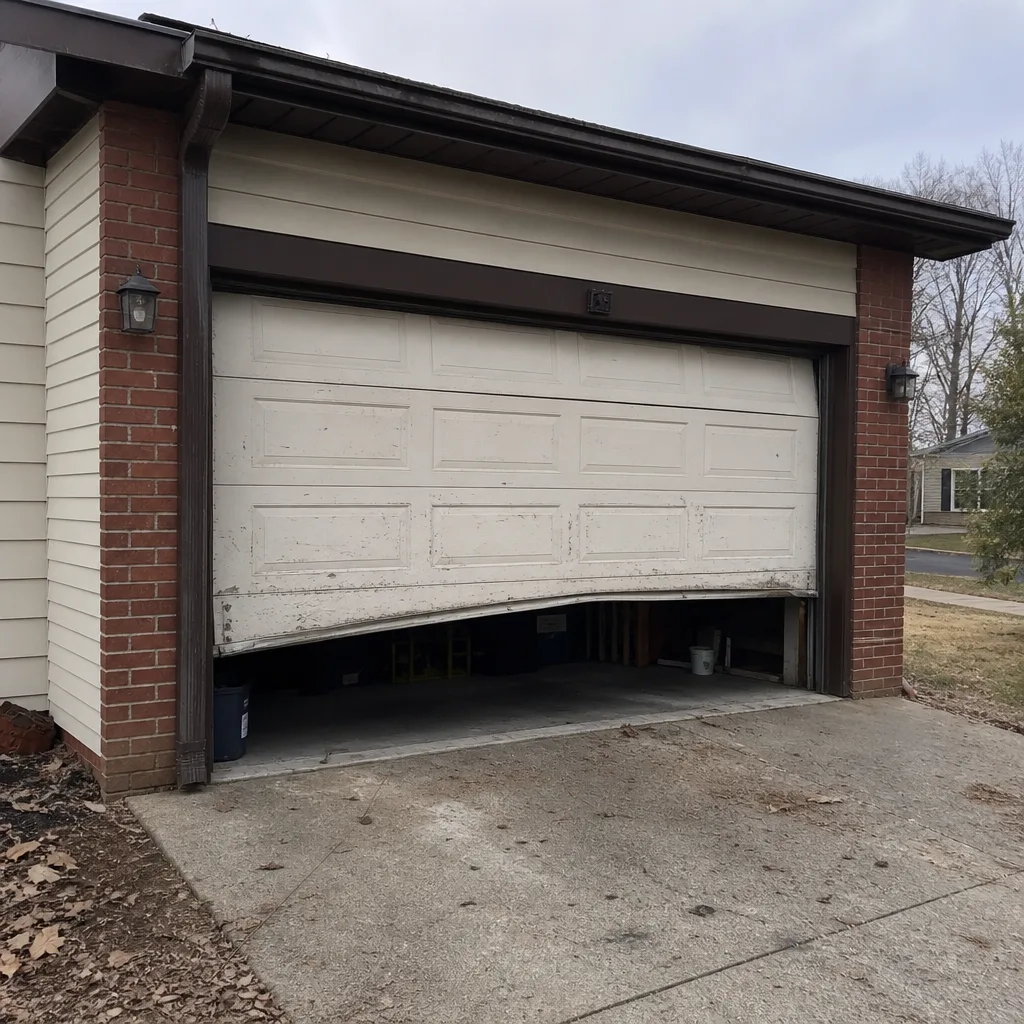 Before
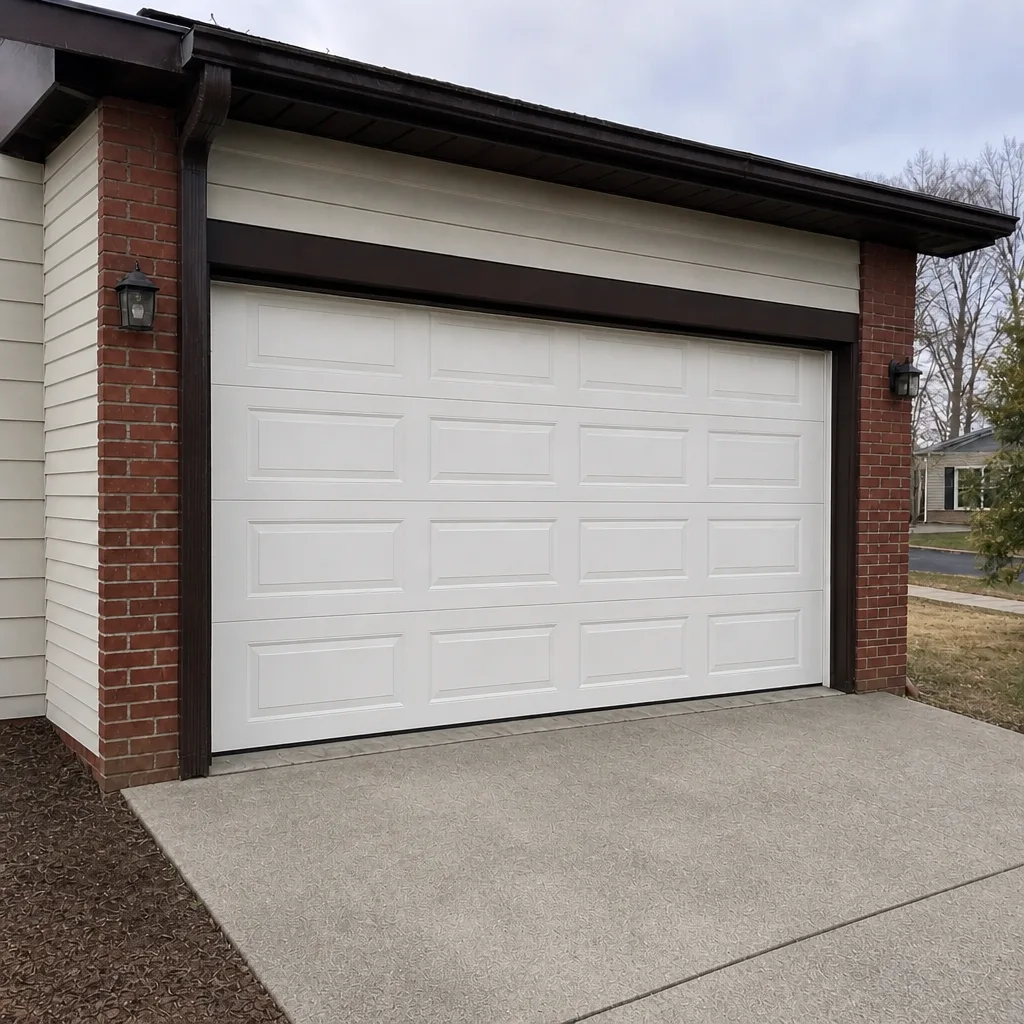 After
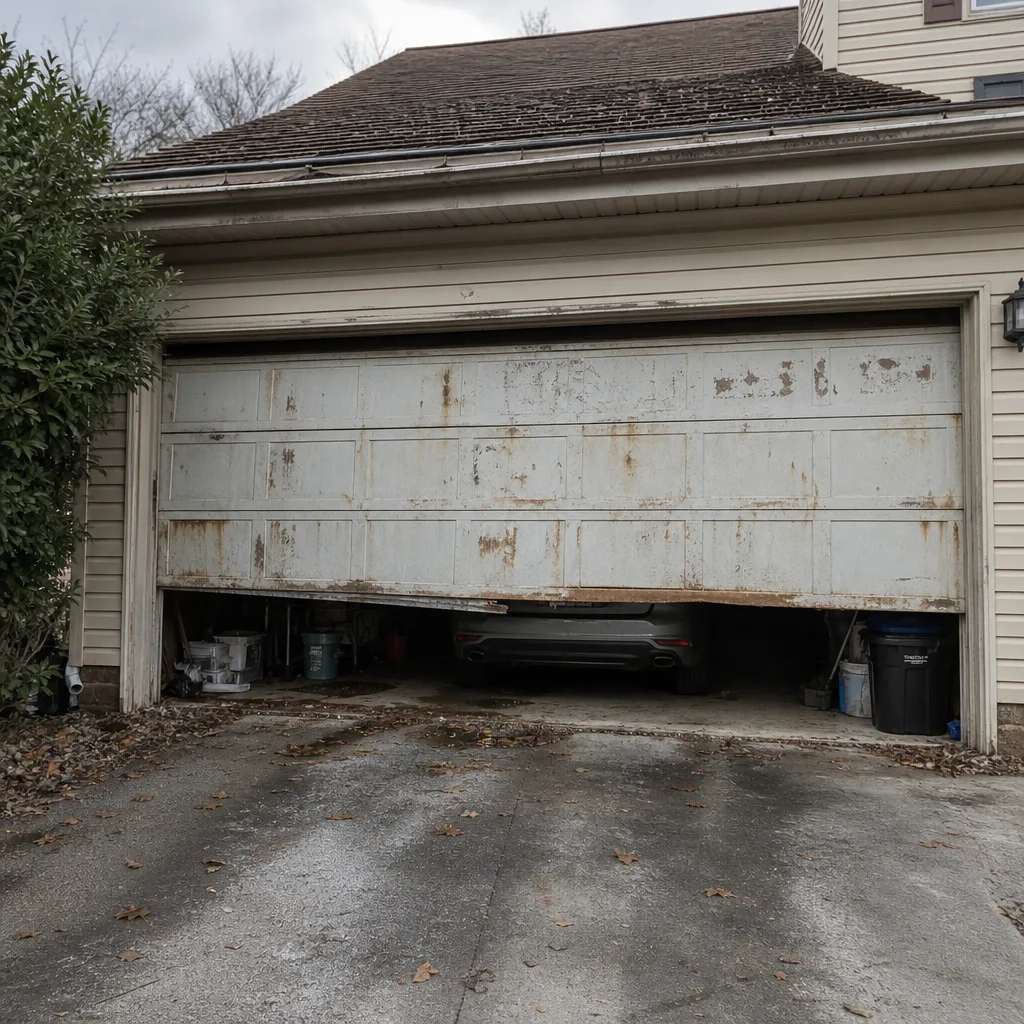 Before
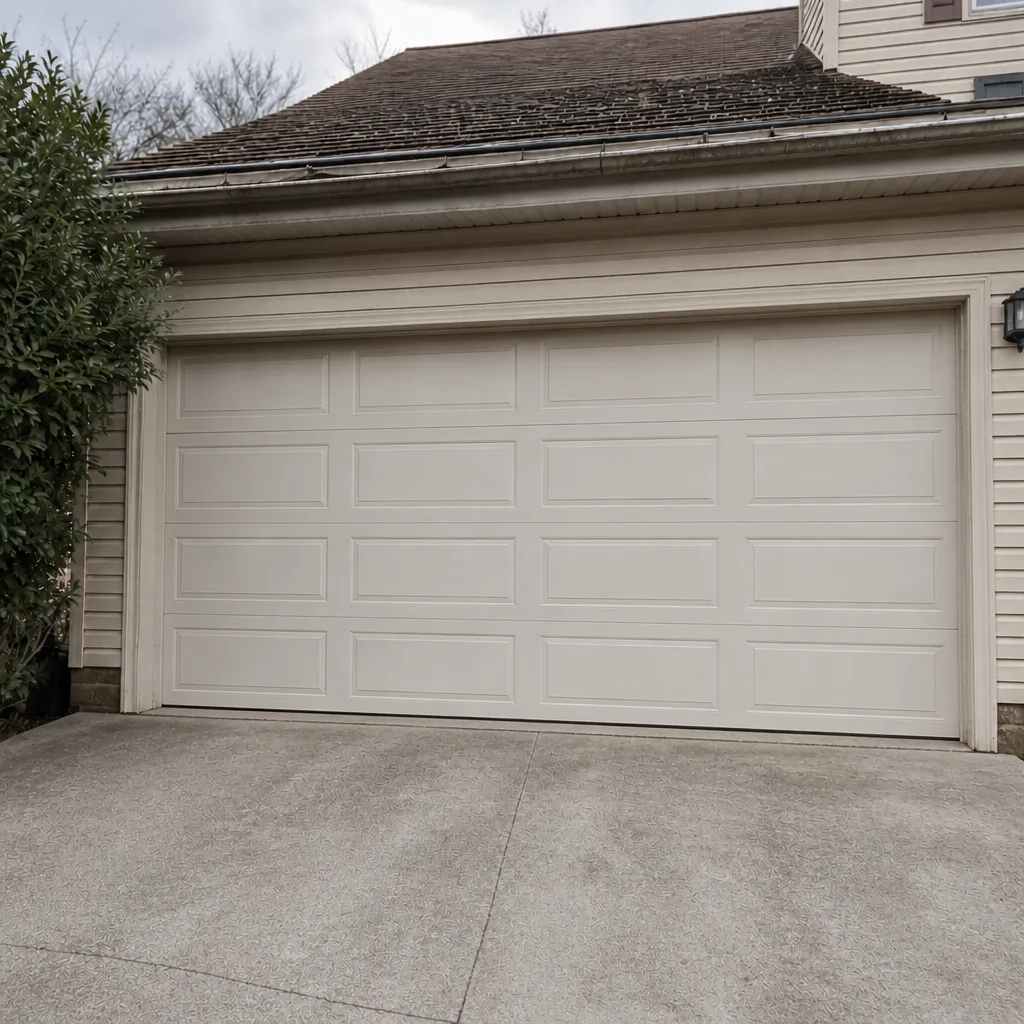 After
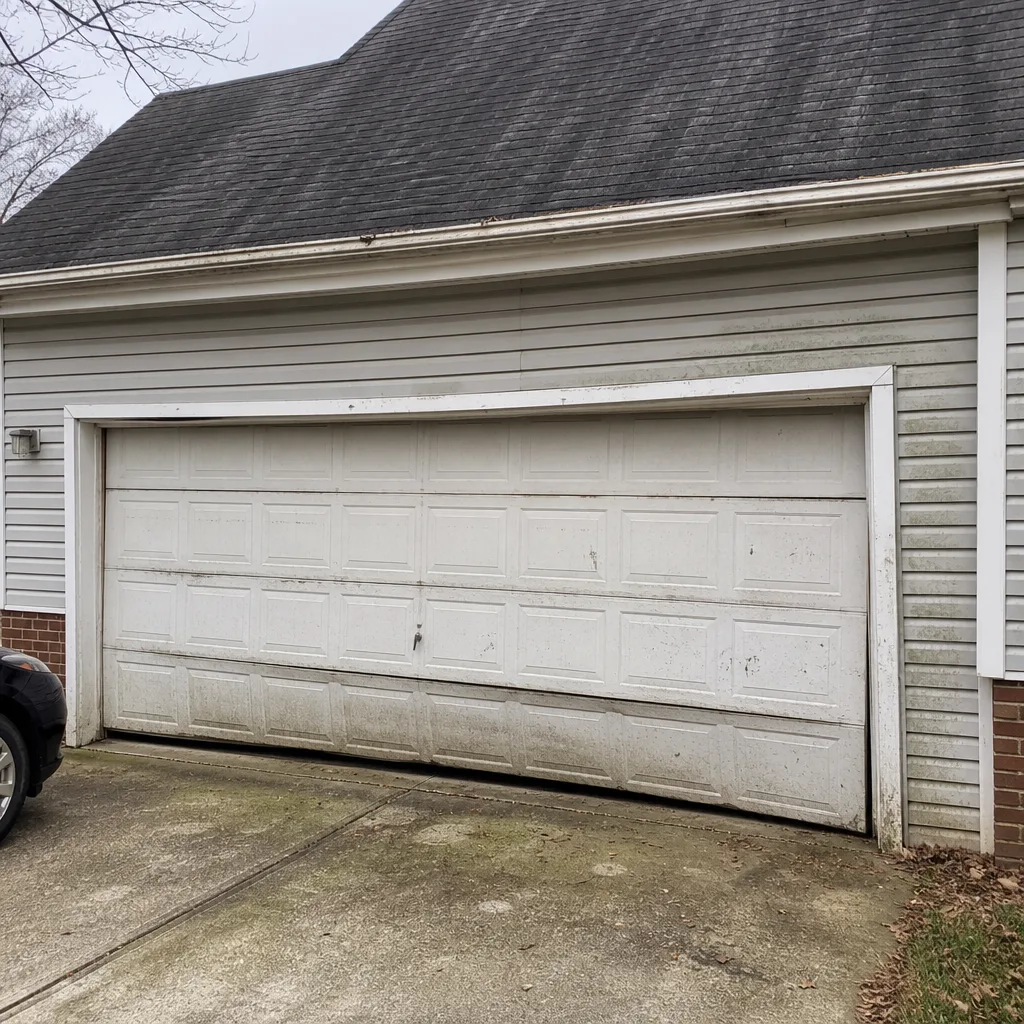 Before
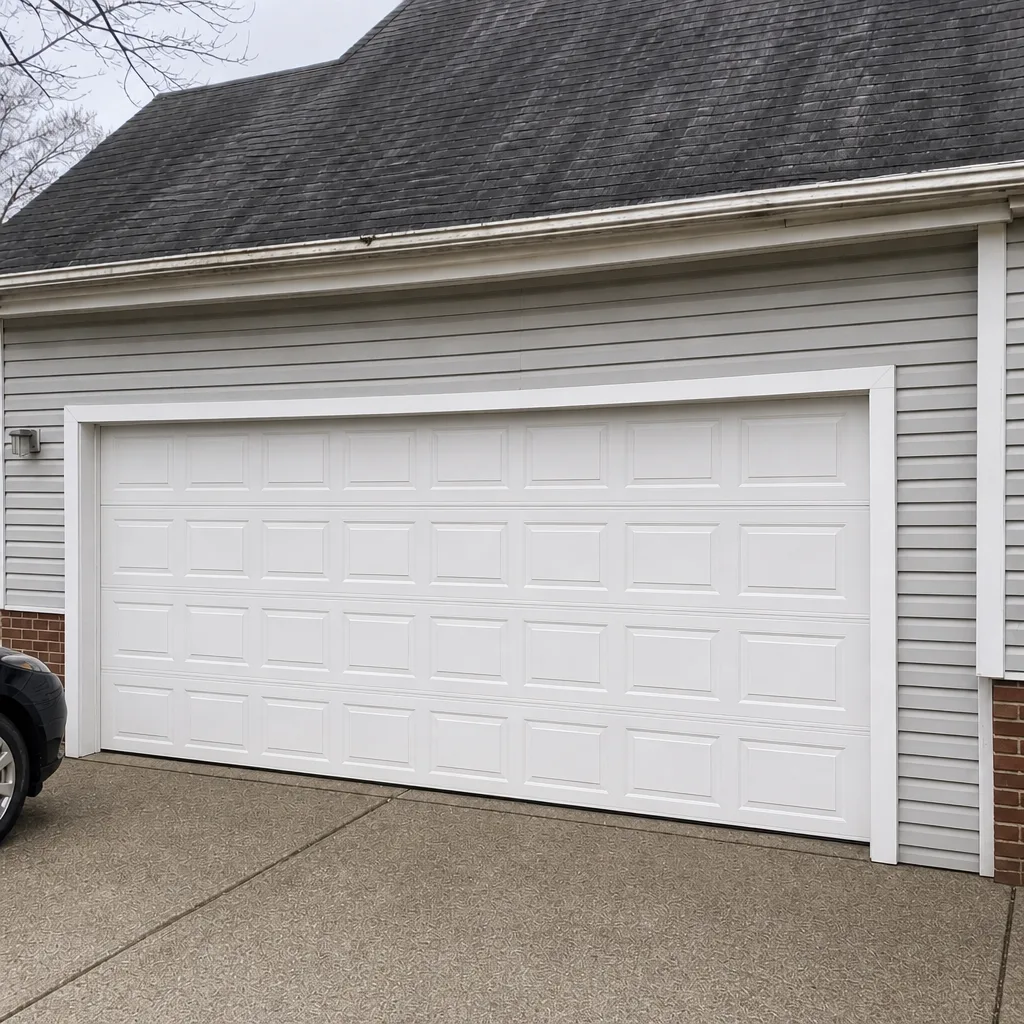 After
Frequently Asked Questions
Spring replacement in Centreville typically runs $180 – $340 for one torsion spring, and about twice that for a matched pair, which is most often what’s recommended because the springs age together. The written estimate comes before any work starts, so the price is agreed first. Call (855) 497-3217 for an exact quote – estimates are free.
Yes. Emergency garage door service is a core offering, not a sidelight, with fast dispatch and same-day appointments for urgent situations like a snapped spring, a trapped car, or a door that won’t secure the house. For routine installations we measure and schedule instead, because that work has a lead time. Call (855) 497-3217 and we’ll get you booked.
No – the written estimate is the price, and it’s agreed before any work begins. If the technician finds something the quote didn’t cover, you’ll hear about it before the work happens, not after. That’s the standard we hold ourselves to on every job. Call (855) 497-3217 for a free estimate.
The local professionals we connect you with are licensed and insured as their state requires, and they’re experienced across the brands we service. Our technicians have up to 14 years of experience, and we’re factory-familiar with LiftMaster, Chamberlain, Genie, Clopay, Amarr, Wayne Dalton, Craftsman, and Raynor. Call (855) 497-3217 to talk through your job.
We service LiftMaster, Chamberlain, Genie, Clopay, Amarr, Wayne Dalton, Craftsman, and Raynor – the eight brands installed in the large majority of Centreville homes. The big four openers (LiftMaster, Chamberlain, Genie, Craftsman) have widely available wear parts, so most repairs are one-visit. Call (855) 497-3217 to confirm your model.
Permit rules vary by locality, and most cities require a permit for structural changes but not always for a like-for-like door swap. Ask the city’s building department to confirm what applies to your address before you schedule the installation. We’ll work with whatever the permit office requires, and the written quote covers the scope we agree to.
The Bottom Line
Your garage door is a spring-balanced machine, and the decisions that matter – material, insulation, opener, hardware, and quote line items – should be made for Centreville’s climate and HOA density, not national averages. The principles that hold: replace springs in pairs, choose an opener that matches how your household uses the door (including a battery backup for storm season), get the HOA guidelines in writing before ordering, and read a quote by its line items rather than its total. The written estimate is the price, and it’s agreed before work starts. If something has failed, or you’re planning a replacement, call (855) 497-3217 for a free estimate – we’ll measure, quote, and explain what your door actually needs.
Written by the team at Garage Door Repair Centreville.