Last updated November 22, 2026
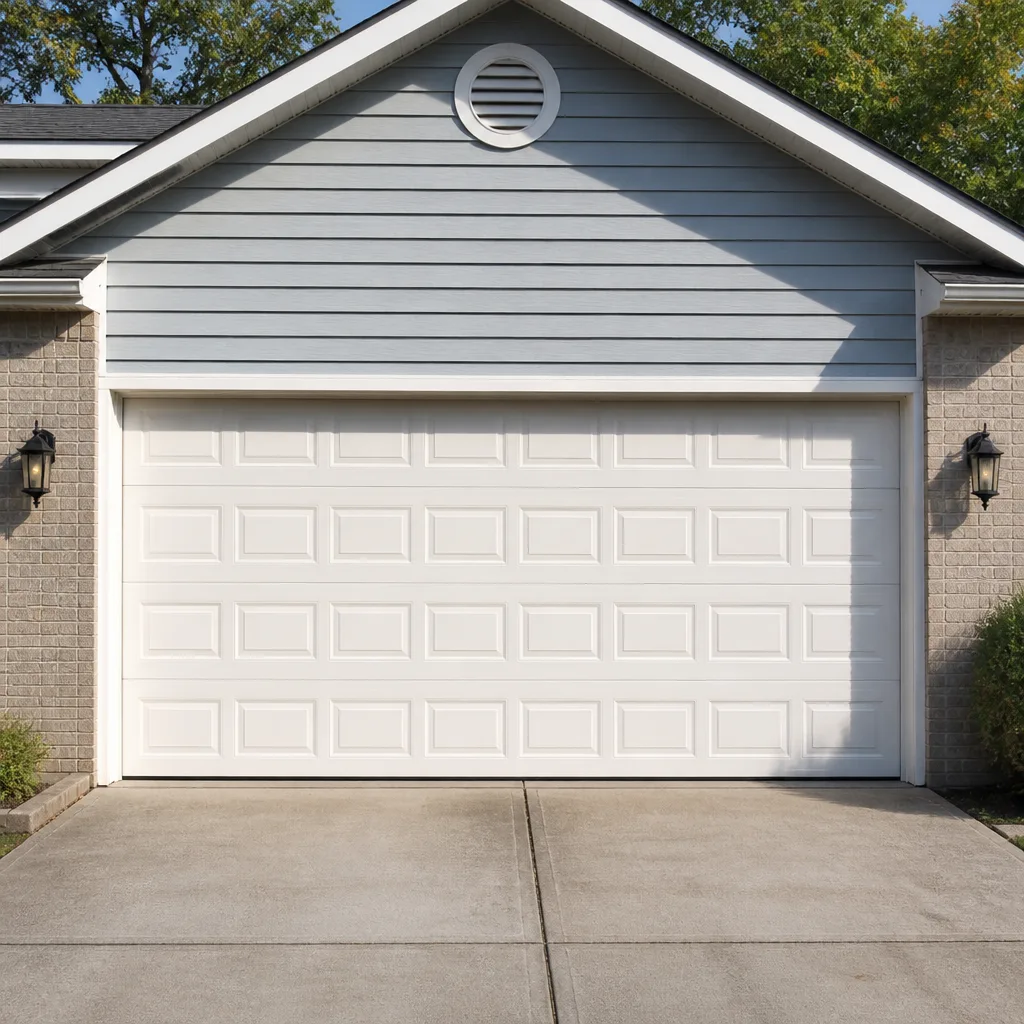 Raised-panel steel
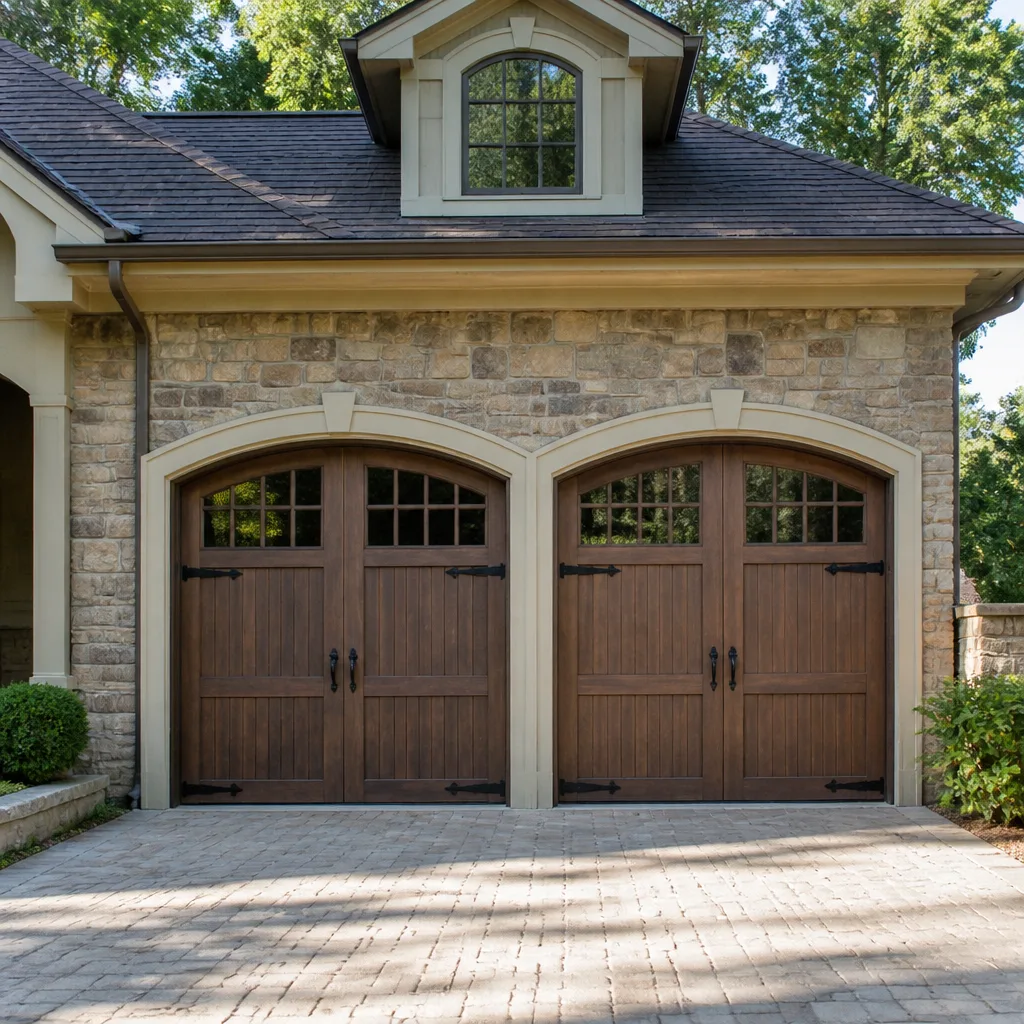 Carriage house
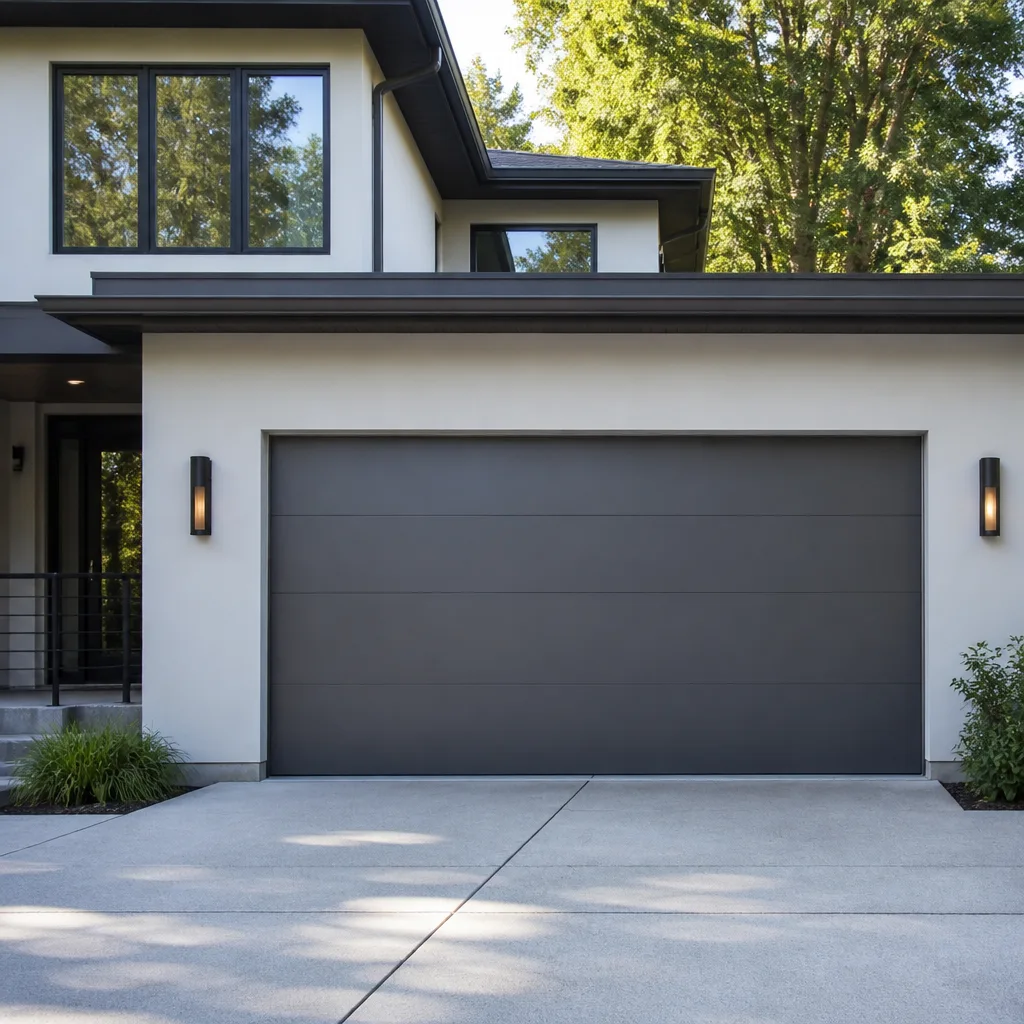 Modern flush
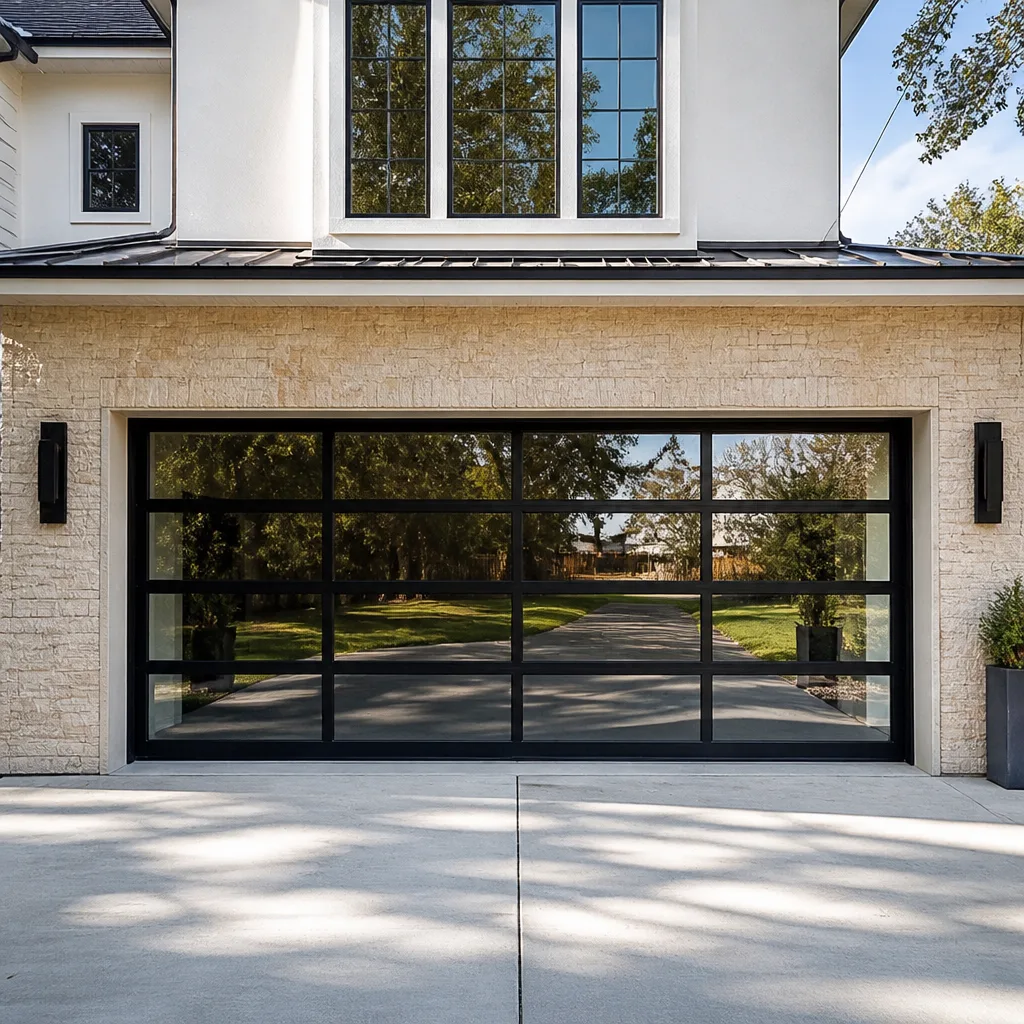 Full-view glass
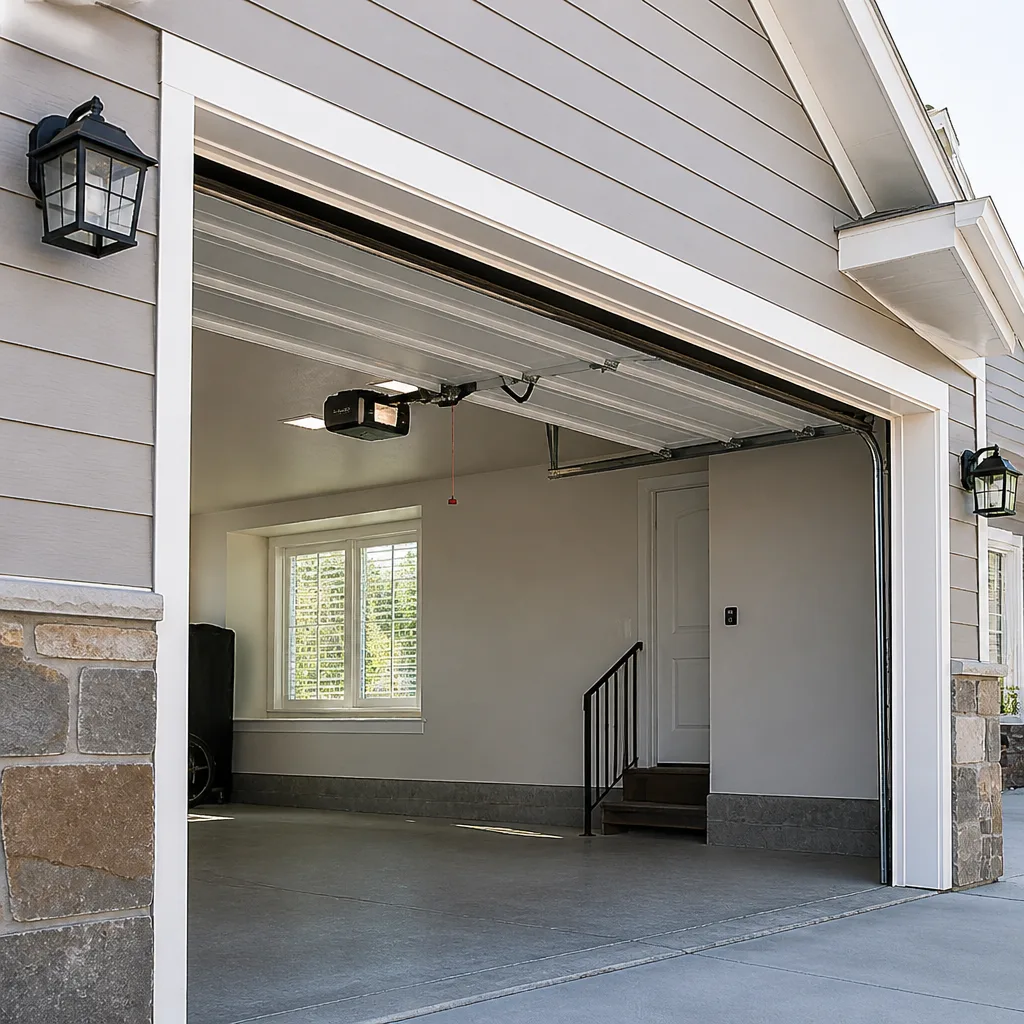 LiftMaster openers
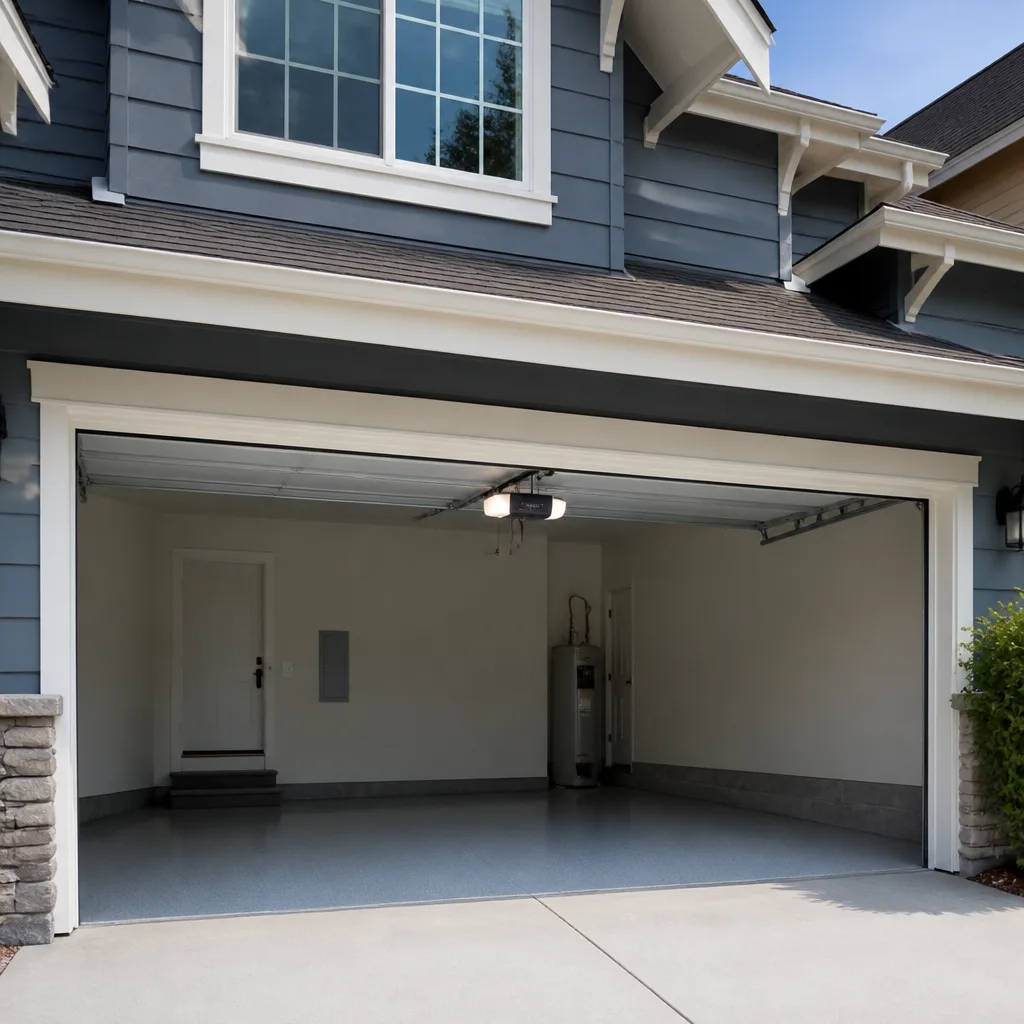 Chamberlain openers
Full 25-point door and opener safety check with every visit - springs, cables, rollers, tracks, and your LiftMaster or Chamberlain opener included
You get a price before we start. It does not change when the pro arrives.
Get your free estimateGarage Door Emergency Preparedness Guide for Centreville Homes
When your garage door won’t open at 7 AM and you have a meeting in Tysons, you have about four minutes of patience before you start making bad decisions. Most homeowners start with the wall button. Then the remote. Then they yank the red cord, or worse, try to prop the door open with something. Very few of them have thought about the sequence that actually keeps a door from getting more broken, or a car from getting trapped. The counterintuitive point is this: the first thing to reach for isn’t a tool or a phone, it’s a protocol. This guide walks through that protocol for Centreville homes – manual release, storm prep, power outages, security when a door won’t close, and how to triage an emergency call. Read it once before you need it.
Quick Answer
A garage door emergency in Centreville is handled in this order: stop pressing the openers, check whether the door is under spring tension before touching the red release cord, secure the opening, then call a garage door specialist. Most non-structural emergencies – snapped spring, opener failure, door stuck half open – are repaired the same day. Structural failures, doors off track, and anything involving a car trapped inside need a specific call flow so the technician arrives with the right parts.
Styles & brands we work with
- Raised-panel steel
- Carriage house
- Modern flush
- Full-view glass
- LiftMaster openers
- Chamberlain openers
Table of Contents
- How do you use the manual release cord safely?
- What should you do during a garage door power outage?
- How do you secure a garage when the door won’t close?
- How should Centreville homes prep a garage door before a storm?
- Why is a broken spring never a DIY job?
- How do you triage a garage door emergency call?
- What brand-specific quirks matter in an emergency?
- What preventive checks keep a door out of emergency mode?
How do you use the manual release cord safely?
The red manual release cord disengages the opener trolley from the door – it does not release spring tension, and it does not make the door light. That single distinction is where most garage door injuries start. The cord is safe to pull on a closed door that is already down. It is not safe to pull on a door that is stuck open, stuck halfway, or visibly sagging on one side, because the door’s weight is being held by the spring system and pulling the release transfers that weight to you.
Here is the correct sequence for a normal, closed door:
- Make sure no one is standing under the door.
- Pull the red cord straight down with a firm, steady pull. Don’t yank.
- Lift the door slowly by hand. A properly balanced single-car door weighs roughly what an adult can lift comfortably; if it feels far heavier, stop.
- If the door doesn’t lift smoothly or feels like it’s fighting you, lower it slowly and leave it closed.
- Once open, prop nothing under it and don’t leave it unattended. Disengaged doors can drop on their own.
When not to pull the cord: if a spring is visibly broken (a gap in the coil, or a coil hanging loose), if the door is hanging off one track, or if the door is already up and the opener failed while the door was open. In any of those cases, leave the release alone and call us. This is the exact scenario where a homeowner ends up in the emergency room and the door ends up worse than it started.
When our technicians arrive for garage door repair, one of the first things they do is reset the trolley engagement correctly, so the next time the opener runs, the door and the drive system are speaking to each other again.
What should you do during a garage door power outage?
A power outage in Centreville is usually short – a summer thunderstorm, a fallen limb on a line. But a door that won’t open during an outage is still a door that won’t open, and if you own a battery-backup opener you may never notice anything at all. Here’s how to know what you’re dealing with.
Battery backup openers use a small rechargeable battery inside or under the motor housing. On the LiftMaster and Chamberlain side, most belt-drive units sold in the last several years support an add-on battery. If yours has one, the door will still cycle during an outage, just with a slower and slightly louder motor. If it doesn’t, you’re on manual release.
For manual operation without backup:
- Park the second car (or the one you don’t need) outside first, so it isn’t trapped later.
- Use the red cord only per the sequence above.
- After power returns, do NOT just run the opener. Re-engage the trolley first (pull the cord toward the opener until it clicks back onto the carriage), then run one full open-close cycle with no one underneath.
- If the door doesn’t reconnect cleanly on the first try, stop and call. Forcing an opener to pull a stuck trolley grinds the gear and turns a small job into a bigger one.
If a door has failed during an outage and the opener won’t re-engage even after power returns, that’s a good sign your garage door opener repair needs to happen before the next outage makes it worse. We work on LiftMaster, Chamberlain, Genie, and Craftsman systems, which covers the vast majority of openers installed in Centreville homes.
How do you secure a garage when the door won’t close?
A garage door that won’t close is a security problem in the next fifteen minutes, not the morning. The gap under a half-closed door is entry-sized. The good news is that you have a predictable set of moves before a technician arrives.
Work in this order:
- Clear the path inside the garage. Obstruction sensors are the single most common reason a door reverses mid-close, and a box pushed against the sensor beam is enough to do it.
- Check the sensors themselves. The small lens on each side of the track should have a solid LED. If one is blinking, realign it with the bracket by hand and try again.
- Try the wall button instead of the remote. A dead remote battery is not a door problem.
- If the door still reverses, look for a broken spring or a slack cable on one side. If either is visible, stop.
- If you cannot close the door mechanically, lower it by hand as far as it will go, block it from rising with a wheel chock or heavy object on the inside, and move anything valuable out of the garage that night.
- Add a temporary exterior layer – a parked car in the driveway directly in front of the door is the simplest deterrent – and call for service.
Cables and springs carrying the door’s weight are under extreme tension. Don’t try to lift the door to force it into position and don’t attempt to re-seat a cable that has jumped a drum. That’s a job for a trained technician, and it’s one we handle in Centreville routinely. Our technicians have up to 14 years of experience with exactly these mechanical failures.
How should Centreville homes prep a garage door before a storm?
Centreville sits at the edge of the Mid-Atlantic storm corridor. Summer thunderstorms with straight-line wind, the occasional derecho, and winter snow loads are the realistic threats here – not coastal surge and not hail, both of which are someone else’s problem. What that means for a garage door is wind and uplift. A door with a failed seal, a worn roller, or a lift cable that’s already stretched is the one that gets bent out of its tracks when a gust hits it from the right angle.
Before a named storm, or honestly before any serious weather forecast, run this check:
- Motor and balance: run the door up and down twice. If it shudders, jerks, or reverses on its own, address that now, not after the storm.
- Weather seal: check the bottom rubber. If it’s torn or gapped, wind gets under it, and pressure builds against the door panels.
- Rollers and hinges: any roller that wobbles in the track or a hinge that rattles is a starting point for a track bend under load.
- Wind load rating: if your door spec is on the label of the panel, look for a wind-load rating. Most doors installed to current building standards in Fairfax County have some rating; older doors may not. If you don’t know, ask – we can tell you what your door will realistically handle.
- Opener lockout: some openers have a “lock” function that holds the door down while you’re away. Useful for short trips, but know how to turn it off in case power hiccups.
If a storm is imminent and your door is already compromised, we can work with your schedule to get it re-secured. Storm prep is not the same as a repair – it’s about preventing unplanned emergencies from becoming big ones.
Why is a broken spring never a DIY job?
Garage door springs hold a force roughly equal to the door’s weight – which for a standard double-car door is on the order of 150 to 200 pounds of lift tension, stored in a coil. When a spring snaps, that energy is released all at once, and when a homeowner tries to wind a new spring by hand without the right winding bars and technique, the same energy is what sends the bars flying. This is the single most common garage door injury category, and it’s why garage door spring repair is a service we treat as a specialty rather than a side job.
What a trained spring replacement involves:
- Door lowered, opener disengaged, and the door fully supported before any tension is touched.
- Winding bars set correctly in the cone, with the technician positioned off to the side, not in front.
- Old spring removed, cables checked, and the drum inspected for wear.
- New spring matched to the door weight and cycle count (a lighter door and a heavier door take different springs, even if they’re the same width).
- Tension set in controlled quarter-turns, then the door balanced and tested by hand before the opener is re-engaged.
What you can do safely: confirm the spring is actually what broke (an even gap in the coil, or the whole spring hanging slack, is the sign). Check whether it’s a torsion spring (the coil running horizontally above the door) or an extension spring (two springs running parallel to the tracks). Note which side snapped. You’ll need that detail when you call, because a pair is usually replaced together even if only one broke.
How do you triage a garage door emergency call?
The best emergency call is a short one – but it’s short because you’ve gathered what we need before dialing, not because you skipped it. What you tell the person on the phone directly affects which parts go on the van for your job.
Have these ready before you call:
- Door type: single or double? Sectional panels or one-piece tilt?
- Opener brand: check the motor housing for the label. LiftMaster, Chamberlain, Genie, and Craftsman are what we see most in Centreville.
- Symptom: what exactly the door does when you press the button – hums but doesn’t move, moves a few inches and stops, opens but won’t close, one side lags?
- Physical signs: broken spring, visible cable off the drum, door off the horizontal track, panel bent?
- Access: is a car trapped inside? Is the garage attached to the house and open to the interior?
- Urgency: is this blocking a car you need today, or is it a security issue tonight?
What “emergency” actually means for response time here: a snapped spring with a car trapped, or a door hanging open in a way that leaves the home unsecured, gets prioritized. A door that hesitates before closing but still closes is a same-day call, not an urgent one. When you call (855) 497-3217, we’ll tell you honestly which category your call falls into, and we’ll quote the price clearly before any work starts – the written estimate is the final price.
If your garage door isn’t the only thing on your list, we also handle garage door repair Centreville as our main service line, so the same call can address a bundle of small issues while we’re already on-site.
What brand-specific quirks matter in an emergency?
Most emergency calls follow the same pattern, but the diagnosis narrows fast once you know the brand. That’s why we work on the major door and opener brands specifically – not as a marketing line, but because the failure modes differ enough that a general handyman genuinely guesses.
- LiftMaster and Chamberlain: The MyQ app and travel-limit programming can lock a door out of a full cycle after an outage. Often it’s reprogramming the travel, not a hardware problem.
- Genie: Older screw-drive models have a carriage release that can stick. It’ll look like a dead opener when it’s just a release that needs re-seating.
- Craftsman: Many of these are rebadged Chamberlain units, so the diagnostic path is similar, but the safety sensor alignment tolerances are tighter on some models.
- Wayne Dalton: Some models use a Torquemaster torsion system (springs inside the tube) that behaves differently under failure than a standard exterior spring. You probably won’t see the break from outside.
- Raynor: Certain Raynor models use a specific track profile and roller set that don’t work well with aftermarket replacement parts. Matching matters.
The point is that a door stuck closed isn’t a single problem – it’s an interface problem between a specific door and a specific opener. A brand-agnostic guess usually replaces the wrong part. We’d rather diagnose once and fix correctly.
What preventive checks keep a door out of emergency mode?
The best emergency is the one you avoid. Most door failures give warnings weeks in advance, and most homeowners don’t know what to listen for. Ten minutes once a season covers it.
- Listen. Run the door. Any new grinding, squealing, or popping noise from the opener or the tracks is a warning.
- Watch the balance. Disengage the door (with it fully closed, per the manual release sequence above) and lift it halfway. Let go. It should stay where you left it. If it drifts down, the springs are losing tension.
- Check the sensors. Both lenses should show solid LEDs. Wipe them clean and make sure nothing is blocking the beam – a bicycle wheel parked in the path is the classic culprit.
- Inspect the seals. Bottom rubber, hinges, and any weatherstripping. Worn seals let in wind, moisture, and pests, all of which cost money sooner or later.
- Lubricate the right parts. Rollers, hinges, and the torsion bar bearings. Not the tracks, and never the springs themselves – lubricant on a spring is a safety problem, not a maintenance win.
- Test the auto-reverse. Lay a 2×4 flat on the floor under the door, close it, and it should reverse on contact. If not, the opener needs adjustment.
One preventative service call a year costs far less than an emergency repair done at the moment a car is trapped and a door is blocking the only exit. The same company can handle repair, opener repair, spring work, and a full new install, so nothing gets outsourced when the scope changes.
Common Mistakes to Avoid
- Pulling the red cord on a door that’s already open. This is the single most common cause of a door dropping violently. The manual release is only safe on a fully closed door, and only when the spring system isn’t visibly compromised.
- Repeatedly pressing the opener after it fails. If the opener hums but doesn’t move, the trolley is stuck. Each additional press burns the gear inside the motor housing. Stop after one try.
- Trying to reset a snapped spring by lifting the door “just to get it closed.” The weight on a broken spring is unmanageable by hand, and doors that drop during this maneuver crack panels and sometimes bend tracks beyond repair.
- Ignoring a one-sided sag. A single-car door that sags on one side is usually a stretched cable. Waiting until it fails means the door drops crooked and takes the tracks with it.
- Replacing an opener when the door is the problem. A weak opener isn’t the fault of the motor when the door is out of balance. A good technician diagnoses the door before recommending the drive system.
- Ordering a new door online without a measure. Centreville homes run a mix of standard and non-standard openings. A door bought without an on-site measure is a door that shows up wrong and stalls the whole install.
- Waiting on the “storm prep” step before a forecast. A door with a torn seal or a failing balance will fail eventually. A storm just makes the moment of failure more dramatic and more expensive.
See the difference
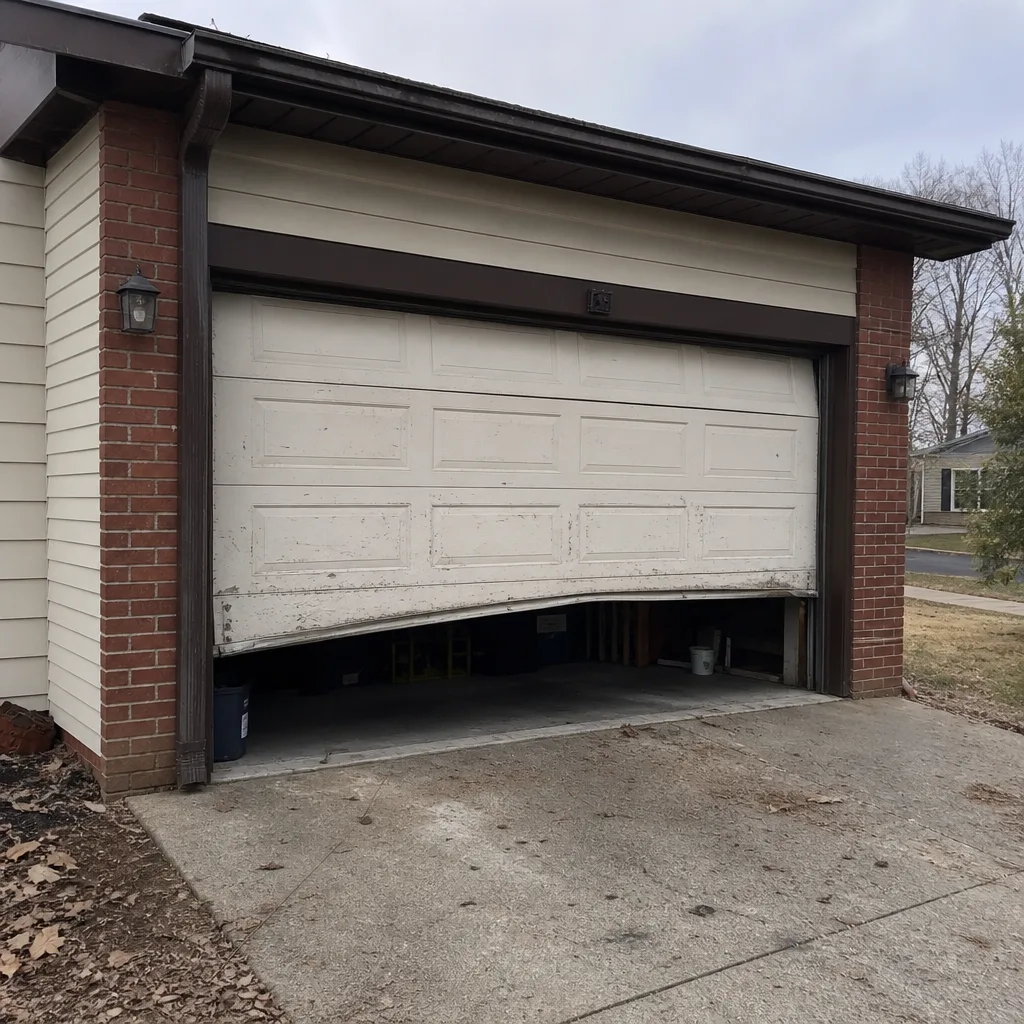 Before
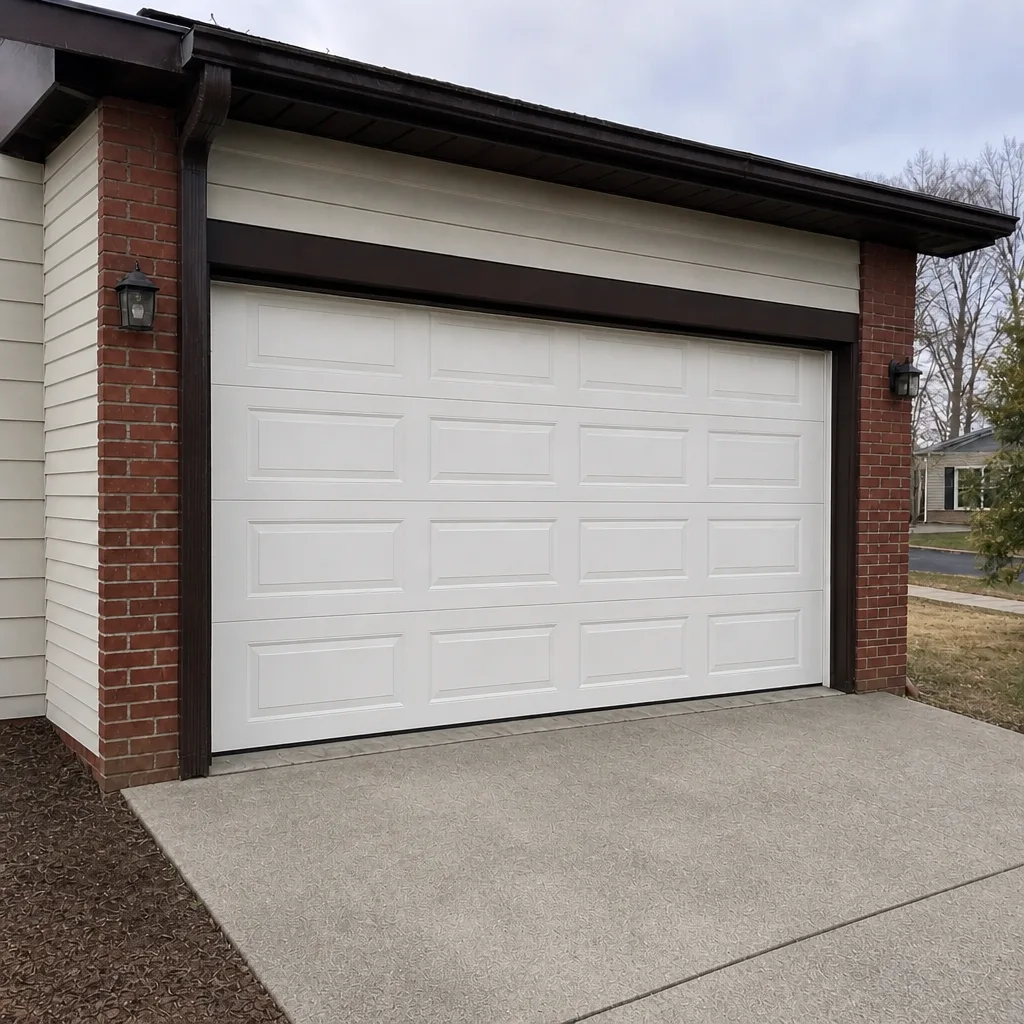 After
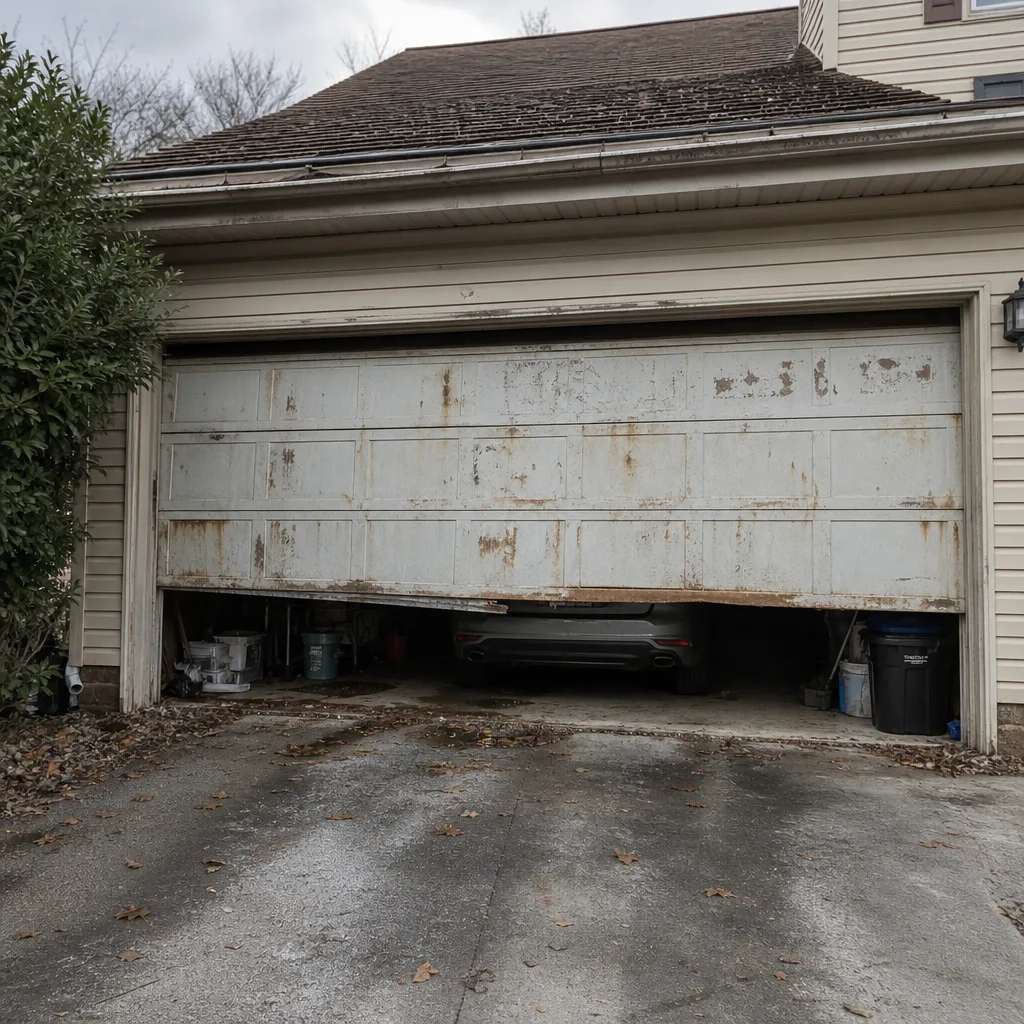 Before
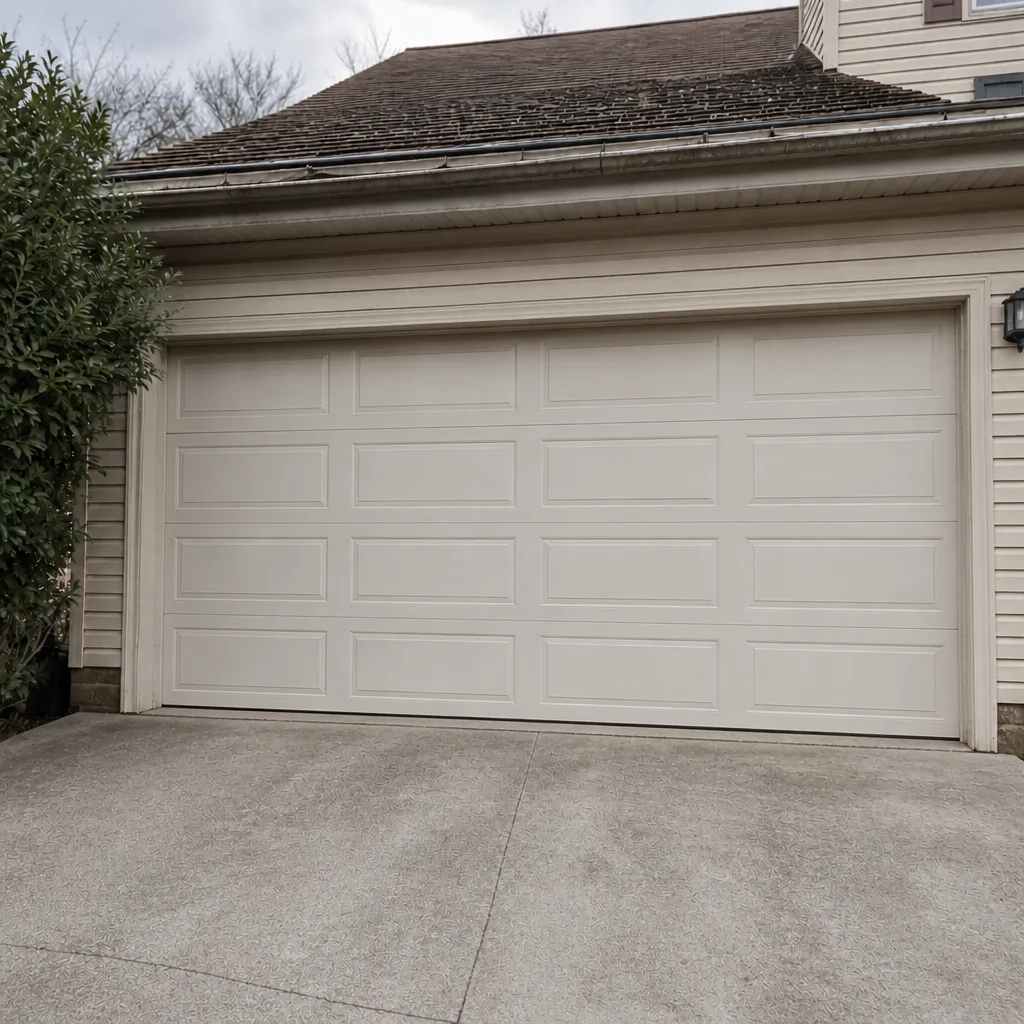 After
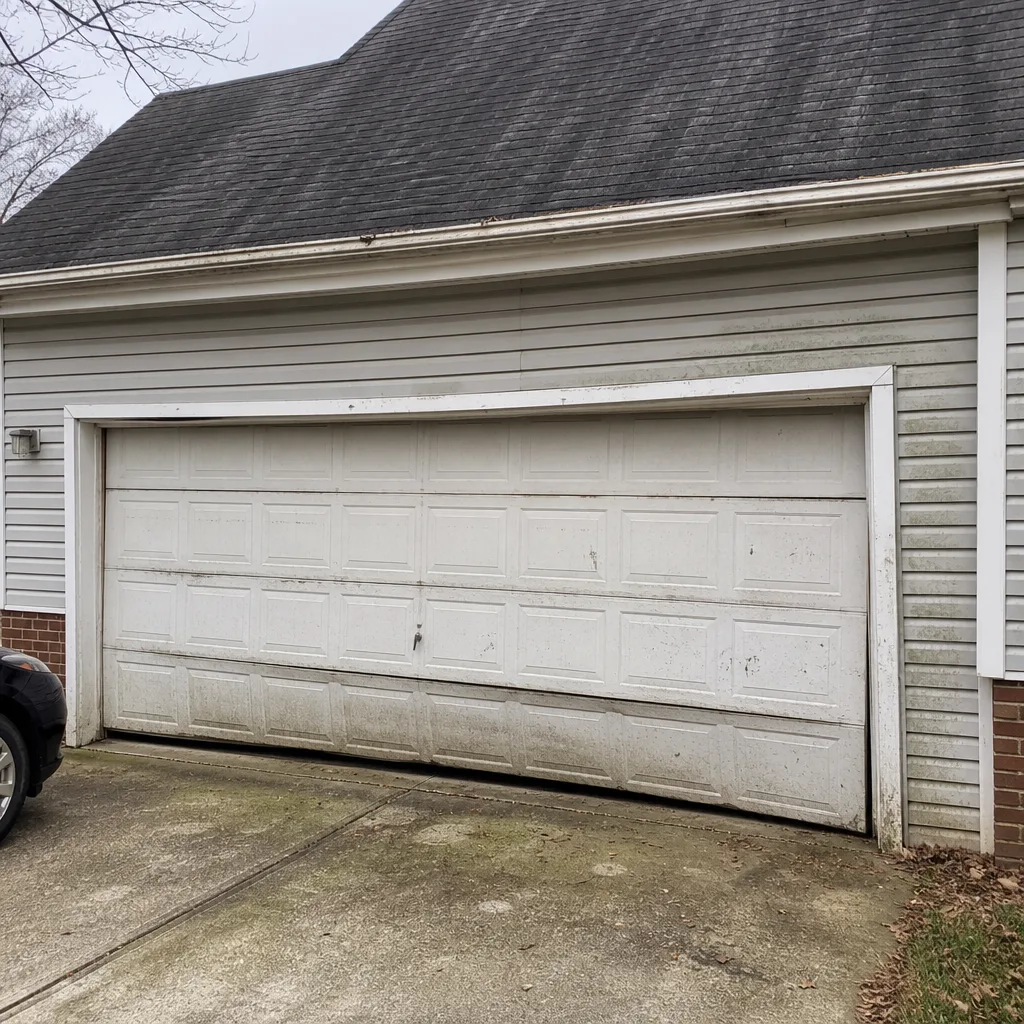 Before
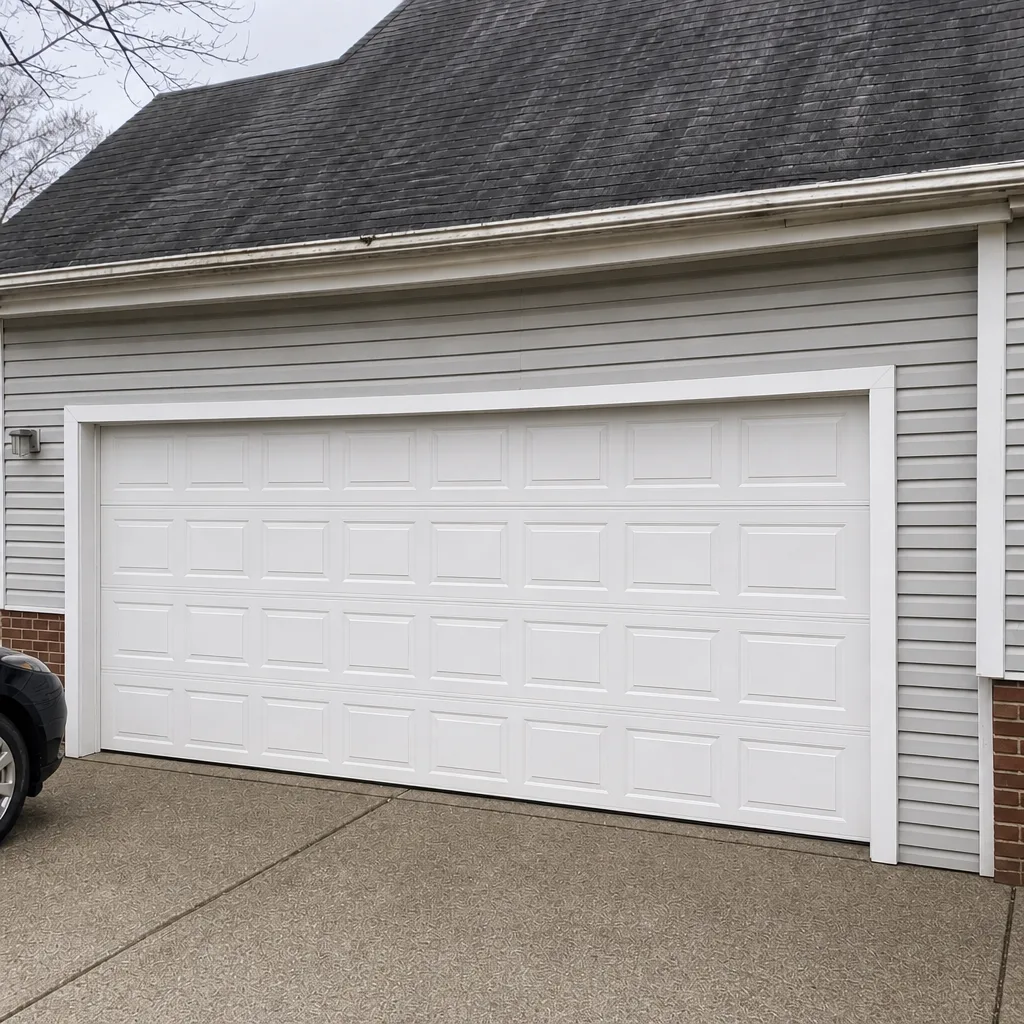 After
When to Call a Professional
Call a garage door specialist when the door is stuck open, stuck off-track, or visibly hanging off one side. Call when a spring has snapped, a cable has come off a drum, or the door sags to one side. Call when a battery-backup opener won’t re-engage after an outage, when the door reverses mid-close even after sensor alignment, or when you don’t know whether the door is safe to lift by hand. The emergency category is a real one, not a sales channel – a garage door repair in Centreville done under time pressure is exactly the situation where a trained technician keeps the job from getting bigger. Garage Door Repair Centreville offers free estimates in Centreville – call (855) 497-3217. We’ll quote the price clearly, and the written estimate is the price you pay.
Frequently Asked Questions
Most garage door emergency repairs in Centreville fall in the $180 to $420 range for common failures like a snapped spring, a broken opener, or a door off its track. Spring repairs typically run $180 to $340 for a single spring, and a matched pair replaces both and costs about twice that on the same job. Call (855) 497-3217 for an exact quote – estimates are free and quoted before work begins.
Yes, most Centreville garage door emergencies get same-day service. We prioritize calls where a car is trapped, the home is unsecured, or the door is stuck open. When you call, we’ll tell you honestly what timing we can commit to and what the price will be before any work starts. Call (855) 497-3217 for dispatch.
No, the price we quote is the price you pay. We inspect the door and opener at the start of the visit, confirm what’s actually failed, and give you a written estimate before any tool comes out of the case. If the scope genuinely changes mid-job – a hidden track bend, for instance – we stop and re-quote before continuing. Call (855) 497-3217 for an exact estimate.
Yes, the local professional we connect you with is licensed and insured as required by state regulations. Our technicians have up to 14 years of experience and work on the major brands – LiftMaster, Chamberlain, Genie, Clopay, Amarr, Wayne Dalton, Craftsman, and Raynor – so they aren’t diagnosing a system they’ve never seen. Call (855) 497-3217 for a free estimate.
Only on a fully closed door that isn’t visibly compromised. If the door is stuck open, hanging off one track, or the spring is broken, don’t touch the release cord – the door’s weight is being held by spring tension and pulling the cord transfers that weight to you. When in doubt, leave it alone and call (855) 497-3217.
For new installs, most doors installed to current building standards in this part of Fairfax County carry some wind-load rating, but existing doors may not. If your spec label is missing, ask us during a measure. For older doors, the practical concern in storm season is wind getting under a worn seal or pushing on a door with a failing balance – not the rating itself. Call (855) 497-3217 for a free on-site check.
The Bottom Line
A garage door emergency in Centreville follows a predictable playbook, and the homeowner who’s read it once handles it in minutes instead of hours. Stop pressing the opener. Check whether the door is under spring tension before touching the manual release. Secure the opening. Call with the door type, opener brand, and symptom ready. Every category of emergency – snapped spring, dead opener, storm bend, power outage lockout – is a repair we handle, and most are same-day. The written estimate is the price. Call (855) 497-3217 for a free estimate and keep this guide open until you have a protocol you can walk through without thinking.
Written by the team at Garage Door Repair Centreville.